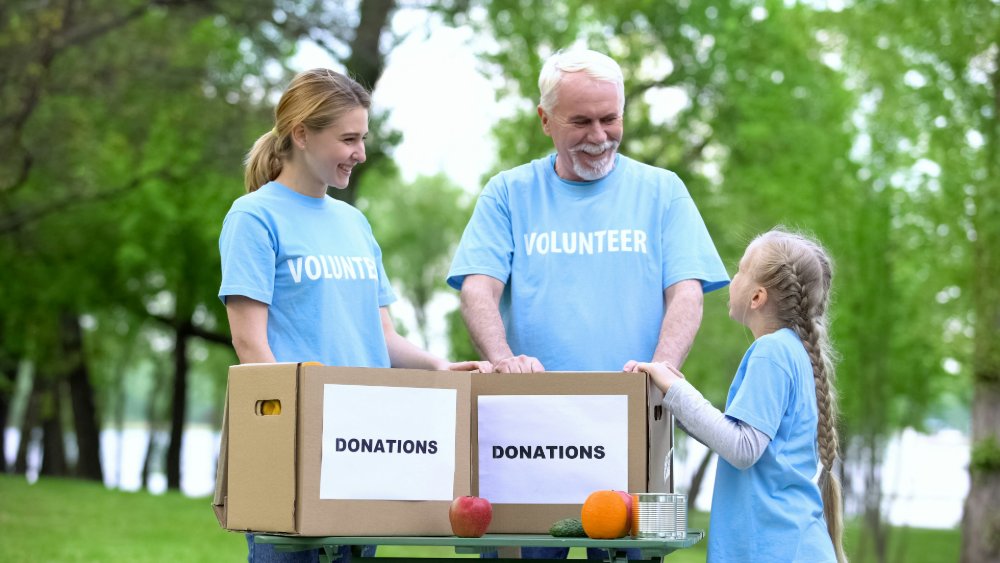
Charitable organizations work tirelessly to improve lives, address social challenges, and create opportunities for people in need. However, their success depends heavily on individuals who willingly share their resources, time, and skills. Personal contributions provide valuable support that helps these organizations fulfill their missions and maintain essential services.
Every act of generosity has the potential to create positive change. Whether someone donates money, volunteers at a community center, or shares professional knowledge, their involvement can make a meaningful difference. Furthermore, consistent individual support helps charities build stronger foundations, reach more people, and develop sustainable solutions to pressing social problems.
Understanding the Value of Personal Contributions
Personal contributions extend beyond financial donations. Individuals can support charities by offering their time, expertise, equipment, or other useful resources. Each contribution serves a purpose and helps organizations overcome practical challenges. Moreover, these actions demonstrate a personal commitment to improving the lives of others.
People sometimes underestimate the importance of their individual efforts. However, charitable organizations often depend on numerous small contributions to maintain their operations. When individuals combine their resources, they create opportunities for meaningful progress. Therefore, personal generosity plays an important role in advancing charitable missions.
Helping Charities Maintain Essential Services
Charitable organizations require dependable resources to assist throughout the year. Personal donations can help cover expenses related to food distribution, educational materials, transportation, and community facilities. Additionally, consistent financial support allows organizations to maintain services without unnecessary interruptions.
Many people depend on charities for essential daily needs. A food pantry, for example, requires regular contributions to keep its shelves stocked. Similarly, community shelters need resources to provide safe accommodations. When individuals contribute consistently, they help these organizations deliver reliable assistance to vulnerable populations.
Creating Meaningful Change Through Volunteering
Volunteering offers a practical way to support charitable missions without making financial donations. Individuals can assist with community events, organize supplies, prepare meals, or provide administrative support. Furthermore, volunteers help organizations manage important responsibilities while allowing staff members to focus on specialized services.
Regular volunteering also creates opportunities for personal growth. Volunteers develop communication skills, gain practical experience, and learn more about community challenges. Consequently, these experiences encourage a deeper understanding of social responsibility. Both charitable organizations and their volunteers benefit from meaningful participation and shared commitment.
Sharing Professional Knowledge and Skills
Many nonprofit organizations operate with limited budgets and cannot always afford specialized professional services. Individuals with expertise in marketing, accounting, technology, or education can provide valuable assistance. Moreover, sharing professional knowledge helps charities improve their operations and develop more effective strategies.
For example, a graphic designer can create promotional materials for a fundraising campaign. Similarly, an accountant can help an organization improve its financial reporting. These contributions allow charities to access useful expertise while managing expenses. As a result, organizations can dedicate more resources to their primary missions.
Expanding Opportunities for Vulnerable Individuals
Personal generosity helps charitable organizations create opportunities for people experiencing difficult circumstances. Financial donations can support educational scholarships, employment training, and community assistance programs. Additionally, contributions of clothing, school supplies, and household items can address immediate needs.
Charitable support can also help individuals develop greater independence. For instance, a community organization may offer career training to people seeking employment. Through consistent personal contributions, such programs can continue helping participants build useful skills. Consequently, individual generosity can support both immediate relief and lasting personal advancement.
Strengthening Relationships Within Communities
Charitable giving encourages individuals to connect with their neighbors and understand local challenges. Through participation in nonprofit activities, people develop relationships with others who share similar values. Furthermore, these connections encourage cooperation and strengthen the sense of belonging within communities.
Strong community relationships also help charities identify changing needs. Residents who maintain regular contact with local organizations can share valuable observations and suggestions. Therefore, personal involvement supports better communication between charities and the people they serve. This connection helps organizations develop programs that reflect real community priorities.
Encouraging Financial Stability Through Regular Giving
Nonprofit organizations often encounter financial uncertainty when they rely heavily on occasional fundraising campaigns. Regular personal donations can help create more dependable sources of income. Additionally, predictable financial support allows charitable leaders to prepare budgets and plan upcoming activities with greater confidence.
Individuals do not need to make large financial commitments to support organizational stability. Small recurring donations can provide valuable assistance when many supporters participate. Moreover, regular giving allows donors to contribute within their financial capabilities. This approach benefits charities while encouraging responsible and sustainable personal generosity.
Raising Awareness About Important Social Causes
Personal contributions also include efforts to increase public awareness of charitable missions. Individuals can share information about nonprofit programs through social media, workplace conversations, and community gatherings. Furthermore, these simple actions can help organizations reach audiences that may not know about their services.
Increased awareness can encourage additional donations, volunteer participation, and community partnerships. However, individuals should share accurate information that reflects an organization’s actual mission and activities. By promoting meaningful causes responsibly, supporters can help charities attract new resources and establish stronger relationships with the public.
Making Thoughtful and Responsible Contributions
Effective charitable giving begins with understanding an organization’s mission and priorities. Individuals should research charities, review their activities, and consider how their contributions can support meaningful outcomes. Additionally, communicating directly with nonprofit representatives can help donors identify the resources that organizations need most.
Thoughtful contributions also prevent unnecessary waste. For example, donating requested supplies rather than unwanted items can help charities manage storage and distribution more efficiently. Similarly, unrestricted financial donations may give organizations greater flexibility to address urgent needs. Therefore, informed generosity can increase the practical value of personal contributions.
Inspiring a Lasting Culture of Compassion
Personal generosity can influence the attitudes and actions of others. When individuals regularly support charitable initiatives, they demonstrate the importance of helping people in need. Moreover, their actions can encourage friends, family members, and colleagues to explore opportunities for community involvement.
Parents can also introduce children to charitable activities through simple acts of kindness. These experiences help younger generations understand empathy, responsibility, and cooperation. Over time, consistent examples of generosity can establish positive habits that continue throughout adulthood. Consequently, personal contributions can inspire a lasting culture of compassion.