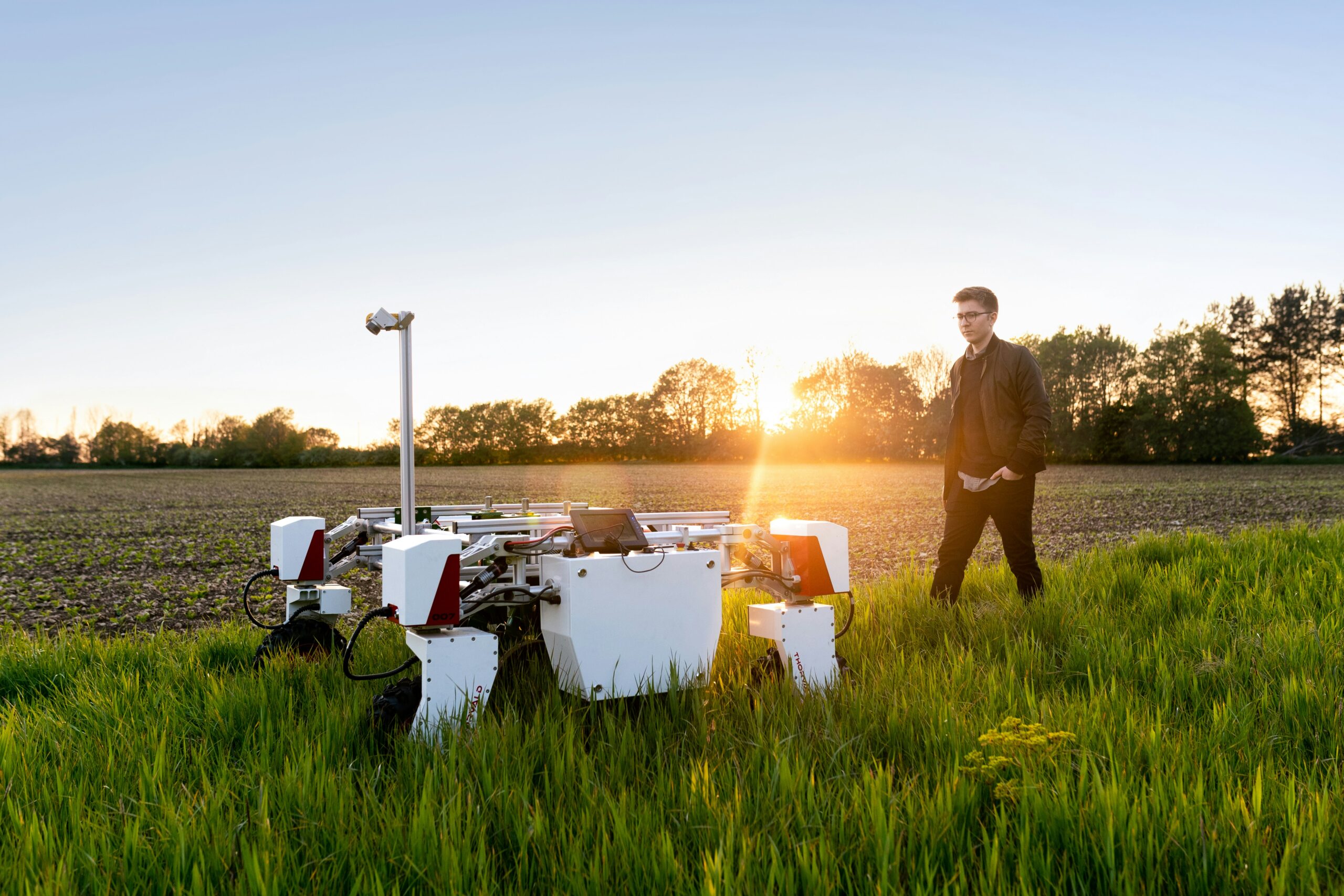
Agriculture is entering a new era as modern technology changes how farmers grow crops, manage resources, and protect their land. Traditional farming methods often depend on experience, seasonal patterns, and general field conditions. However, new tools allow farmers to make decisions based on detailed information about their crops and soil. Precision agriculture uses these tools to improve productivity while reducing unnecessary costs and environmental damage.
As global food demand continues to grow, farmers face increasing pressure to produce more with fewer resources. Rising operating expenses, unpredictable weather, and limited water supplies create additional challenges. Precision agriculture offers practical solutions by helping farmers understand their fields and respond to changing conditions. Its future promises smarter equipment, better information, and more sustainable farming practices that support long-term agricultural success.
How Precision Agriculture Is Changing Modern Farming
Precision agriculture focuses on giving crops the right amount of care at the right time. Instead of treating an entire field the same way, farmers can identify areas that need different levels of attention. Modern equipment collects information about soil health, moisture, crop growth, and field conditions. Farmers use these findings to decide when to plant, irrigate, fertilize, and harvest. This approach helps prevent waste and supports healthier crops throughout the growing season.
The growing availability of digital farming tools makes precision agriculture more practical for farms of different sizes. Farmers can access field information through mobile devices, computers, and connected equipment. These systems help them compare current conditions with previous growing seasons. As technology becomes easier to use, more agricultural businesses may adopt methods that improve planning, reduce uncertainty, and strengthen daily farm management.
The Growing Role of Artificial Intelligence in Agriculture
Artificial intelligence is becoming an important part of precision farming because it helps farmers understand large amounts of information. Modern systems can examine weather patterns, soil conditions, and crop development to identify useful trends. They can also recognize signs of plant stress and suggest areas that need attention. By reviewing information quickly, these tools help farmers make informed decisions without spending hours examining every section of their fields.
Future artificial intelligence systems may offer more accurate predictions about crop performance and changing growing conditions. Farmers could receive early warnings about disease risks, water shortages, or unusual plant development. This information would help them respond before problems become serious. However, these tools will work best when farmers combine digital recommendations with their own knowledge of local conditions. Human experience will remain essential for making responsible agricultural decisions.
Smart Sensors and Real-Time Field Monitoring
Smart sensors help farmers monitor conditions that directly affect crop growth. These small devices can measure soil moisture, temperature, and other environmental factors. Farmers place them in selected field locations to collect information throughout the day. Connected systems then send the results to digital platforms where farmers can review them. This process reduces the need for constant manual inspections and provides a clearer picture of changing field conditions.
In the future, improved sensors may become more affordable, reliable, and easier to install. Farmers could connect multiple devices to create detailed monitoring systems across large agricultural areas. These networks would help identify differences between sections of the same field. For example, one area might need additional water while another already has enough moisture. Accurate monitoring allows farmers to respond to actual needs rather than relying on fixed schedules.
How Drones Will Improve Crop Monitoring and Management
Drones are changing the way farmers observe their land. Equipped with cameras and specialized imaging tools, these flying devices can capture detailed views of crops from above. Farmers use the images to identify uneven growth, possible irrigation problems, and areas that may require closer inspection. Drones can cover large fields more quickly than traditional walking inspections. This advantage helps farmers monitor crop development while saving time and physical effort.
As drone technology develops, future systems may offer longer flight times, improved image quality, and more automated inspections. Farmers could schedule regular flights to compare crop conditions throughout the growing season. Some agricultural drones can also apply approved treatments to selected areas where local rules permit their use. Targeted applications may reduce unnecessary chemical use when operators follow appropriate practices. These developments could make drone technology a valuable part of routine farm management.
The Future of Automated Agricultural Equipment
Agricultural equipment is becoming more advanced as manufacturers develop machines that can complete tasks with greater accuracy. Modern tractors and planting systems already use satellite guidance to follow planned routes. This technology helps reduce overlapping passes and unnecessary fuel consumption. Automated steering also supports more consistent planting patterns. By improving the accuracy of field operations, farmers can manage labor, equipment time, and agricultural inputs more effectively.
Future equipment may take automation further through self-driving tractors, robotic weed control systems, and advanced harvesting machines. These technologies could handle repetitive tasks while farmers focus on planning and supervision. Smaller robotic machines may also help growers manage specific crop rows without disturbing surrounding plants. However, maintenance costs, safety requirements, and reliable operation will influence adoption. Manufacturers must develop practical systems that farmers can maintain and trust under real working conditions.
Precision Irrigation and Better Water Conservation
Water management is one of the most important areas where precision agriculture can make a difference. Traditional irrigation schedules sometimes deliver water when crops do not need it. Precision irrigation uses soil measurements, weather information, and crop requirements to guide watering decisions. Farmers can adjust the amount and timing of irrigation based on field conditions. This approach supports healthy plant growth while helping reduce unnecessary water consumption.
Future irrigation systems may connect sensors, weather forecasts, and automated controls into a single management platform. These systems could identify dry areas and deliver water where it is needed most. Farmers may also receive warnings about leaks or equipment problems before they cause significant losses. Better water management can lower operating expenses and protect local water supplies. As drought risks increase in many agricultural regions, efficient irrigation will become increasingly important.
Improving Soil Health Through Digital Farming Tools
Healthy soil supports productive agriculture, yet soil conditions can vary considerably across a single farm. Precision agriculture helps growers understand these differences through soil testing, digital maps, and field monitoring. Farmers can identify areas with different nutrient levels, drainage conditions, and organic matter content. This information allows them to adjust fertilizer applications and other management practices. Applying suitable treatments in appropriate amounts can improve efficiency and reduce avoidable losses.
Future soil monitoring tools may provide more frequent updates about changes below the surface. Farmers could track how different practices affect soil quality over several growing seasons. They may also use digital records to evaluate crop rotation, cover crops, and other soil protection methods. These insights can encourage farming practices that maintain productive land. Protecting soil health is essential because strong agricultural systems depend on resources that remain useful for future generations.
Making Precision Technology Accessible to More Farmers
Although precision agriculture offers many benefits, adoption remains challenging for some farming operations. Advanced machinery, connected sensors, and specialized software can require considerable investment. Farmers may also face limited internet access, equipment compatibility issues, and technical training needs. Smaller farms often have fewer financial resources for major technology upgrades. These challenges show why future agricultural innovation must focus on affordability, simplicity, and dependable support.
Technology providers can help by developing flexible systems that farmers can adopt gradually. Affordable monitoring devices, practical mobile applications, and shared equipment services may lower entry costs. Training programs can also help growers understand digital information and use it confidently. Public research institutions, agricultural organizations, and private companies can support wider adoption through education and field demonstrations. When farmers have access to suitable tools, precision agriculture can benefit a broader range of agricultural communities.