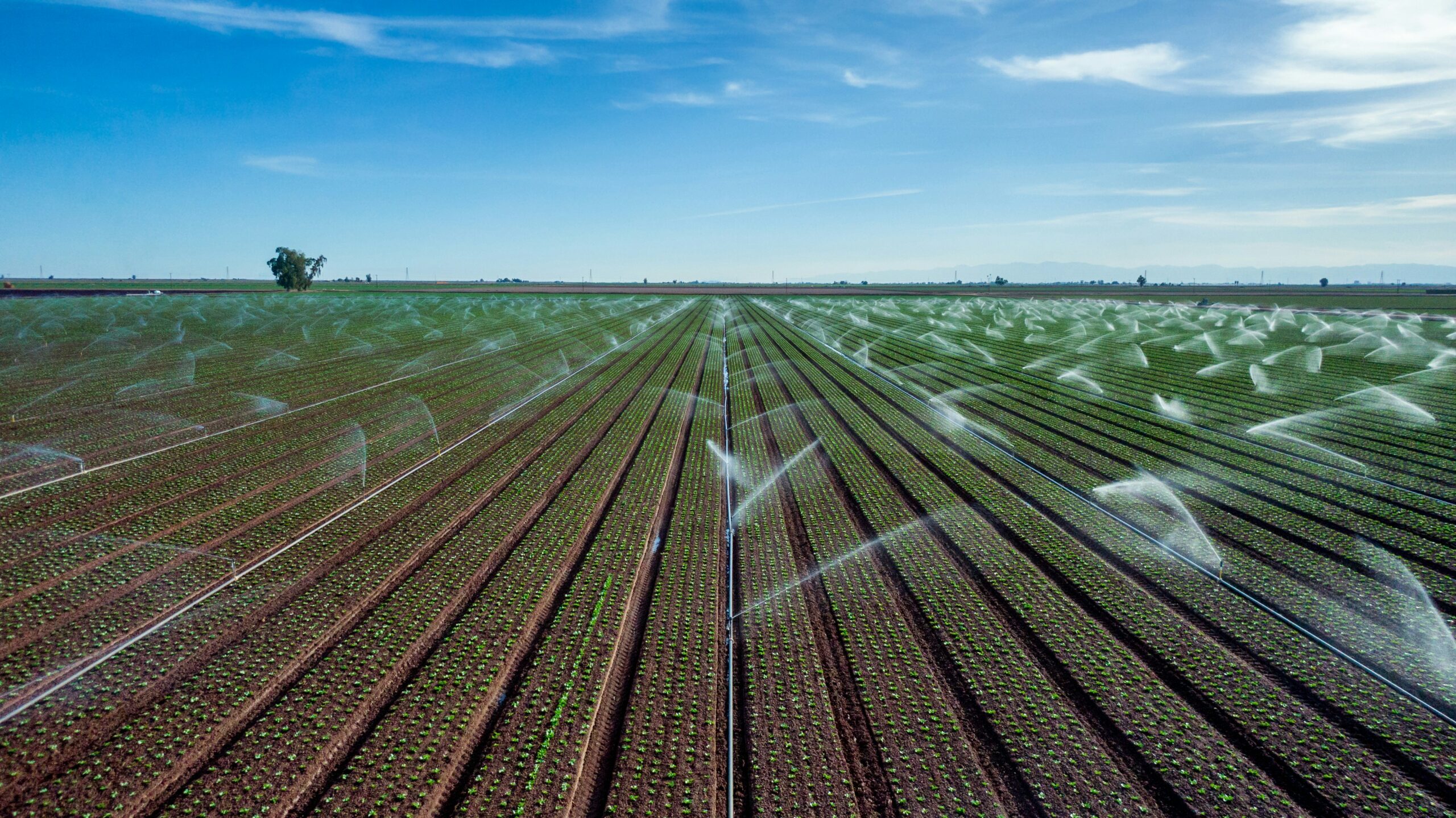
Farming is changing quickly as growers face rising costs, unpredictable weather, soil degradation, water shortages, and growing food demand. These challenges make long-term sustainability more important than ever. Future-proof farming focuses on practical methods that help farms remain productive while protecting natural resources. By improving soil health, managing water carefully, adopting technology, and building resilient farm systems, growers can prepare for changing conditions and create stronger agricultural businesses.
Building Healthier Soil for Long-Term Productivity
Healthy soil is one of the most valuable assets on any farm. Productive soil supports strong crops, stores water, and provides nutrients that plants need to grow. However, repeated tillage, erosion, and excessive chemical use can reduce soil quality over time.
Sustainable farming practices can help rebuild soil health. Cover crops protect the ground between growing seasons and can add organic matter to the soil. Crop rotation can reduce pressure from pests and diseases while improving nutrient balance. Reduced tillage also helps limit erosion and preserve soil structure.
Farmers who focus on soil health are investing in the future of their land. Stronger soil can support more consistent crop production and may reduce the need for certain costly inputs.
Using Water More Efficiently
Water management is another major part of sustainable agriculture. Agriculture requires significant amounts of water, while many farming regions face increasing pressure on available supplies. Using water efficiently can protect both farm productivity and local water resources.
Modern irrigation systems can deliver water closer to plant roots and reduce unnecessary losses. Soil moisture sensors can help farmers understand when crops actually need irrigation instead of relying only on fixed schedules. Rainwater collection and improved drainage can also support better water management when conditions allow.
Efficient water use does more than conserve a limited resource. It can lower operating costs and help farms remain productive during periods of drought or irregular rainfall.
Adopting Useful Farm Technology
Technology is becoming an important tool for future-proof farming. Farmers can use satellite imagery, GPS equipment, drones, sensors, and farm management software to collect useful information about their fields.
Precision agriculture allows growers to make decisions based on conditions in specific areas of a field. Instead of treating every section in exactly the same way, farmers can adjust applications according to soil conditions, crop growth, and moisture levels. This approach can improve resource efficiency while reducing unnecessary inputs.
Technology should support practical farm decisions rather than create additional complexity. Choosing affordable, reliable tools that solve real problems can provide greater value than adopting technology simply because it is new.
Preparing for Changing Weather Conditions
Climate variability creates additional challenges for agricultural producers. Heat, heavy rainfall, drought, and shifting growing seasons can affect planting, crop development, and harvests. Building resilience requires farmers to prepare for uncertainty.
Crop diversity can help reduce dependence on a single crop and spread production risks. Selecting crop varieties that are better suited to local conditions can also support more reliable yields. Improving drainage, protecting soil, and maintaining healthy vegetation can make farms better prepared for extreme weather.
Long-term planning is especially important because weather risks can change over time. Farmers who regularly review their production systems can respond more effectively when conditions change.
Supporting Biodiversity on the Farm
Biodiversity can contribute to a healthier and more balanced farming system. Beneficial insects can support natural pest control, while pollinators are essential for many crops. Trees, hedgerows, wetlands, and other natural areas can provide habitat for wildlife and improve the overall farm environment.
Integrating natural features into agricultural landscapes does not necessarily mean sacrificing productivity. In many situations, carefully managed habitats can support beneficial organisms and reduce environmental pressure. Maintaining biodiversity can therefore become part of a broader strategy for sustainable farm management.
Making Sustainability Financially Practical
A sustainable farm also needs to be financially sustainable. Environmental improvements are more likely to succeed when they make economic sense for the producer. Farmers can evaluate investments by considering long-term savings, productivity, resource efficiency, and potential risks.
Reducing wasted fertilizer, fuel, water, and energy can lower operating expenses. Renewable energy systems may also provide opportunities to reduce dependence on traditional energy sources when conditions and economics are suitable. Recordkeeping and careful financial planning help farmers identify which improvements provide meaningful value.
Building a Stronger Future for Farming
Future-proof farming is not about following a single method. It is about creating flexible agricultural systems that can adapt to economic, environmental, and technological changes. Healthy soil, efficient water use, useful technology, diverse crops, biodiversity, and sound financial planning can work together to strengthen farm resilience.
Sustainable agriculture requires patience because many improvements deliver benefits over several growing seasons. Farmers who invest in practical solutions today can protect their resources, improve efficiency, and create stronger operations for the years ahead. The future of farming will depend not only on producing more food but also on producing it in ways that preserve the land and resources needed for generations to come.