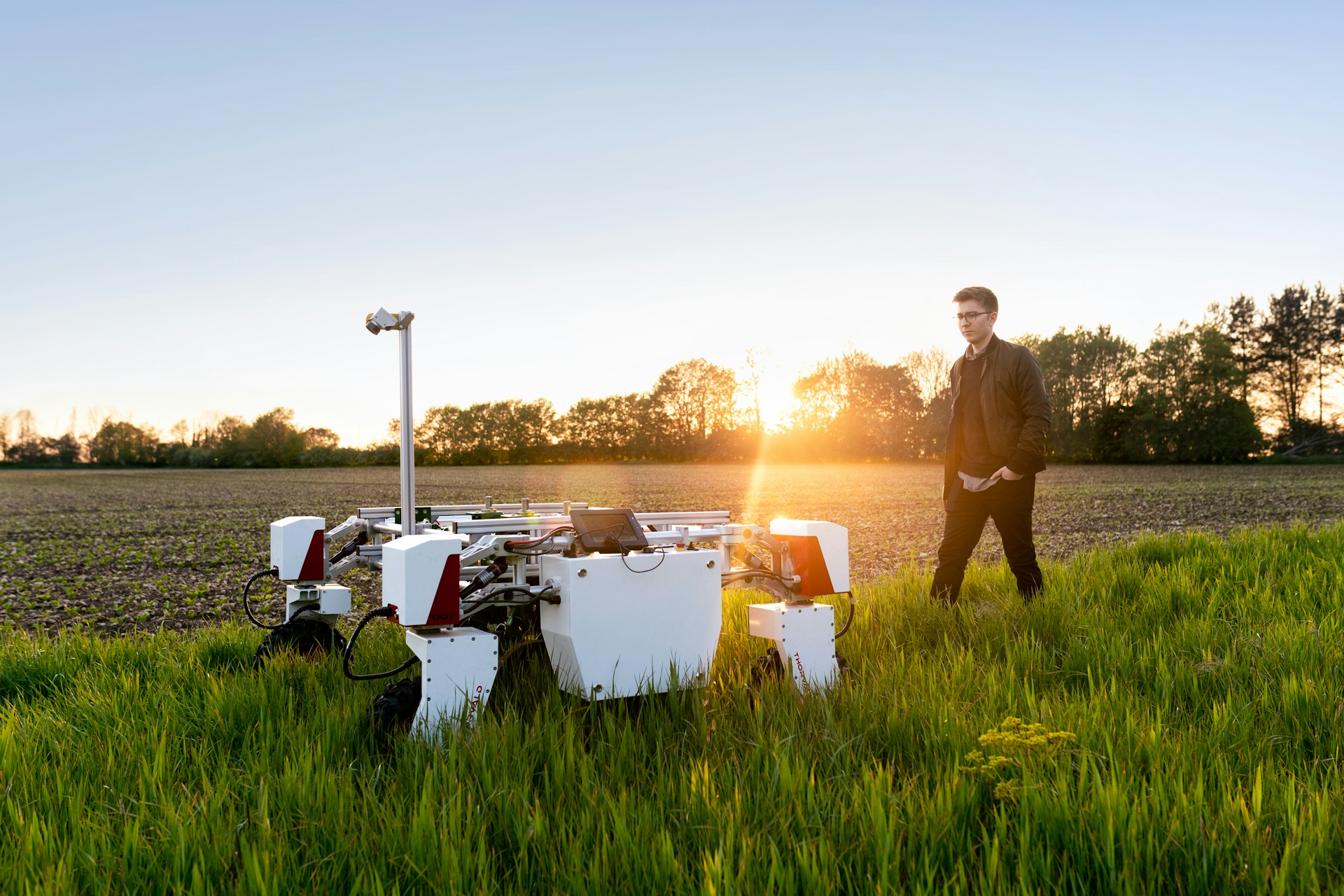
Agriculture is entering a new stage where technology and farming experience work together to create better results. Farmers are no longer relying only on traditional methods because digital tools now provide valuable insights about crops, soil, and resources. Today, many growers are exploring smart agricultural data systems to improve productivity, reduce waste, and make more informed decisions. By combining field knowledge with advanced technology, modern farming is becoming more efficient, sustainable, and prepared for future demands.
The Changing Role of Information in Farming
For centuries, farmers have depended on observation and experience to manage their fields. However, agriculture now faces complex challenges that require faster and more accurate solutions. Climate change, rising food demands, and resource limitations have encouraged growers to seek better ways to understand their operations. Therefore, data has become an important resource that helps farmers respond to challenges with greater confidence.
Digital information allows farmers to see details that were once difficult to measure. Soil conditions, weather patterns, crop growth, and resource needs can now be tracked with advanced tools. As a result, growers can make decisions based on real-time information instead of relying only on assumptions. Moreover, these improvements help create farming systems that are more productive and environmentally responsible.
Using Sensors to Understand Every Field
Smart sensors are changing the way farmers monitor their land. These devices can collect information about soil moisture, temperature, nutrient levels, and crop conditions. Consequently, farmers can understand what each area of their field needs and provide better care. This targeted approach helps improve crop health while reducing unnecessary use of water and fertilizers.
Furthermore, sensor technology allows farmers to identify problems before they become major issues. Early warnings about dry soil, plant stress, or changing conditions give growers time to respond effectively. Because of this, smart monitoring tools support stronger harvests and more efficient farm management. As technology continues to improve, sensors will become even more valuable for agricultural decision-making.
Artificial Intelligence Supporting Better Crop Decisions
Artificial intelligence is bringing new possibilities to farming by analyzing large amounts of agricultural information. AI tools can recognize patterns, predict possible outcomes, and provide recommendations that help farmers plan ahead. For example, these systems can support decisions about planting schedules, pest management, and crop protection. Therefore, artificial intelligence is becoming a useful resource for improving farm performance.
In addition, AI helps farmers prepare for uncertainty. Weather changes and environmental challenges can affect crop success, but predictive tools allow growers to plan more effectively. When farmers combine AI insights with their own knowledge, they can create stronger strategies for managing their fields. This partnership between technology and human experience is shaping the next generation of agriculture.
Connecting Digital Tools With Farming Communities
Technology becomes more powerful when farmers can share knowledge and learn from one another. Digital platforms now allow growers, researchers, and agricultural professionals to exchange information more easily. Through these connections, farmers can discover new methods and understand how others solve similar challenges. As a result, connected farming networks are helping create a more collaborative agricultural future.
These digital communities also provide access to valuable resources. Farmers can learn about market changes, weather updates, and new farming techniques through online systems. Additionally, smaller agricultural operations can benefit from information that was previously harder to access. By improving communication, technology helps create stronger relationships throughout the farming industry.
Improving Efficiency Through Automated Farming Tools
Automation is becoming an important part of modern agriculture because it helps farmers complete tasks with greater accuracy. Automated equipment can support planting, irrigation, harvesting, and crop monitoring. Therefore, farmers can save time while maintaining better control over their operations.
Moreover, automation helps reduce human error and improve resource management. Machines can perform specific tasks based on detailed instructions from digital systems, which allows farmers to focus on larger decisions. Over time, these improvements can help farms become more efficient and competitive. As automation continues to develop, it will provide even more opportunities for smarter agricultural practices.
Protecting Resources With Data-Based Solutions
Responsible resource management is one of the biggest benefits of technology-driven farming. Water, soil nutrients, and energy must be carefully managed to support long-term agricultural success. Data tools help farmers understand exactly where resources are needed and where adjustments can be made. Consequently, farms can reduce waste while maintaining healthy crop production.
Additionally, better resource management supports environmental protection. When farmers use accurate information, they can avoid unnecessary applications that may harm surrounding ecosystems. These practices help protect natural resources while improving farm efficiency. Therefore, technology plays an important role in creating agriculture that supports both productivity and sustainability.
Preparing Farmers for a Technology-Focused Future
As agriculture becomes more digital, farmers need access to education and training. New technologies can provide many benefits, but growers must understand how to use these tools effectively. Therefore, learning opportunities and support systems will become essential for successful technology adoption.
Furthermore, the future of farming will require cooperation between technology developers, researchers, and agricultural communities. These partnerships can ensure that digital solutions meet real farming needs. By focusing on practical innovation, the agriculture industry can create tools that support farmers instead of replacing their expertise. Technology will continue to serve as a helpful partner in agricultural progress.
Creating Smarter Fields Through Digital Innovation
The future of farming depends on the successful connection between technology, data, and human knowledge. Through intelligent crop monitoring solutions, farmers can improve decisions, protect resources, and create stronger food systems. Digital agriculture does not replace the importance of farmers, but instead gives them better tools to understand and manage their fields. As innovation continues, farming will become more precise, adaptable, and prepared for future challenges.
Ultimately, technology will continue changing how the world produces food. Farmers, researchers, and communities must work together to ensure digital advancements create meaningful benefits. By combining modern tools with practical experience, agriculture can move toward a future where smarter decisions lead to healthier crops, stronger farms, and more reliable food production.