A successful harvest represents months of hard work, careful planning, and investment. However, the journey does not end when crops leave the field. Farmers and storage managers must protect grain from moisture, pests, temperature changes, and quality loss. Without proper preservation methods, valuable crops can quickly lose their nutritional value and market appeal.
Today, modern grain storage solutions help producers maintain quality from harvest to delivery. These advanced approaches combine improved storage structures, monitoring tools, and better management practices. As food demand continues to rise, protecting every part of the harvest has become more important than ever.
Traditional storage methods often depended on manual checks and basic facilities. While these methods helped farmers for generations, they cannot always meet the challenges of modern agriculture. Changing weather patterns, larger harvest volumes, and higher quality standards require more reliable solutions.
Therefore, many agricultural operations are adopting smarter preservation techniques. These systems help reduce waste, improve efficiency, and create better control over storage conditions. With the right approach, farmers can protect their crops and increase the value of every harvest.
Advanced Storage Systems Improve Grain Protection
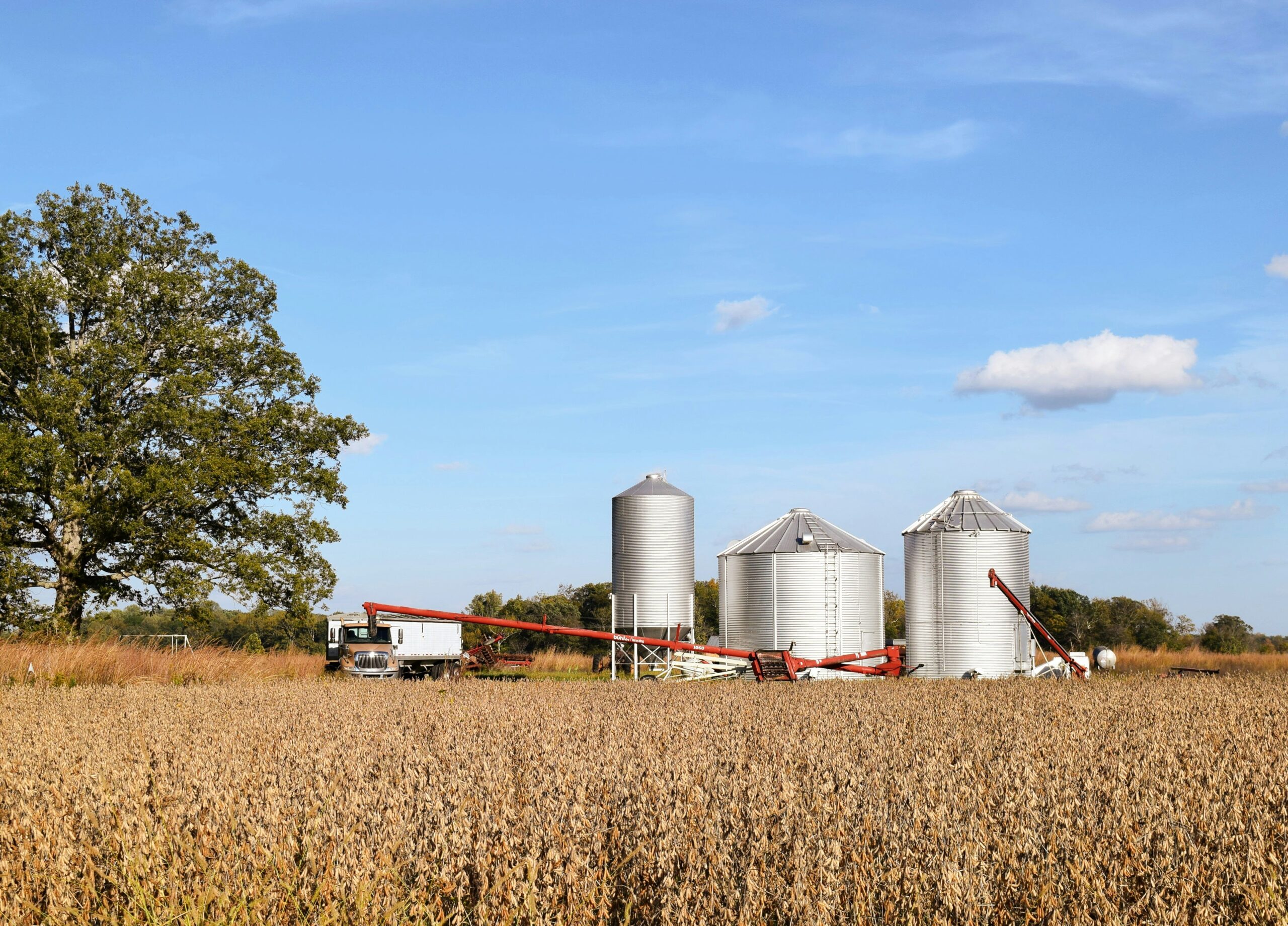
Modern storage facilities are designed to create stable environments that protect grain for longer periods. Improved silos, grain bins, and storage buildings now include features that help control airflow, temperature, and moisture levels. These improvements help keep grain fresh while reducing the risk of spoilage.
Additionally, many storage systems use stronger materials and improved designs to prevent outside elements from affecting stored crops. Proper insulation and sealing reduce exposure to humidity and temperature changes. As a result, farmers can maintain consistent grain quality even during difficult seasonal conditions.
Technology has also changed how storage facilities operate. Automated systems can track key conditions inside storage areas and provide real-time information. These tools allow operators to respond quickly when problems appear, preventing small issues from becoming major losses.
Furthermore, advanced storage solutions support better inventory management. Farmers can understand how much grain they have available and monitor its condition more effectively. This creates a more organized process and helps businesses make better decisions about selling, transportation, and future storage needs.
Temperature and Moisture Control Protect Grain Quality
Temperature management plays a major role in successful grain preservation. Warm conditions can encourage insect activity, mold growth, and natural grain deterioration. By maintaining proper temperatures, storage managers can slow these processes and protect the quality of stored crops.
Modern ventilation systems help regulate airflow and prevent heat buildup inside storage areas. These systems move air through grain masses and create more balanced conditions. As a result, stored grain stays healthier and maintains better quality over time.
Moisture control is equally important because excess moisture creates an environment where mold and bacteria can develop. Even small increases in moisture can affect grain value and safety. Advanced drying and monitoring technologies help farmers maintain the ideal moisture level before and during storage.
In addition, moisture management reduces financial losses caused by damaged crops. When grain remains dry and stable, producers can store it longer and reach more profitable markets. Careful moisture control creates a strong foundation for effective preservation.
Smart Monitoring Technology Changes Grain Storage
Digital monitoring tools have become a valuable part of modern grain preservation. Sensors placed inside storage facilities can collect information about temperature, humidity, and other conditions. This data gives farmers a clearer picture of what is happening inside their storage systems.
Because of these technologies, farmers no longer need to rely only on physical inspections. Remote monitoring platforms allow them to check storage conditions from different locations. This saves time and helps identify problems before they create serious damage.
Moreover, smart technology supports faster decision-making. When sensors detect unusual changes, operators can adjust ventilation or take corrective action immediately. This proactive approach protects grain quality and reduces unnecessary losses.
As agricultural technology continues to improve, monitoring systems will become even more accessible. Smaller farms and large agricultural companies alike can benefit from tools that provide greater control and confidence. These innovations make grain preservation more efficient and reliable.
Pest Management Helps Maintain Stored Grain Safety
Pests remain one of the biggest challenges in grain storage. Insects and rodents can damage large quantities of grain and create serious financial problems. Effective pest prevention begins with clean storage areas, proper preparation, and regular inspections.
Advanced storage facilities now use improved designs that limit pest access. Sealed structures, better airflow systems, and careful sanitation practices help create less favorable conditions for unwanted organisms. These methods reduce the need for emergency treatments and support healthier storage environments.
In addition, modern pest management focuses on prevention rather than reaction. Regular monitoring allows farmers to identify early warning signs and address issues quickly. This approach protects grain quality while supporting safer handling practices.
By combining technology with responsible management, producers can maintain stronger protection against storage threats. A well-planned pest control strategy helps preserve the harvest and ensures that grain reaches consumers in better condition.
Sustainable Practices Support the Future of Grain Storage
Sustainability is becoming an important part of modern agriculture. Grain storage solutions now focus not only on protecting crops but also on reducing energy use and improving resource efficiency. Better systems help farmers preserve food while lowering their environmental impact.
Energy-efficient ventilation, improved insulation, and smarter equipment operation can reduce operating costs. These changes benefit both the environment and agricultural businesses. By using resources more carefully, farmers can create storage systems that remain effective for years.
Additionally, reducing grain loss supports global food security. Every portion of a harvest that is preserved contributes to a more stable food supply. Better storage practices help prevent unnecessary waste and allow producers to maximize their available resources.
Looking ahead, grain storage will continue to evolve through innovation and better management. Farmers will have access to more advanced tools that improve protection, efficiency, and sustainability. These developments will play a key role in meeting future food needs.