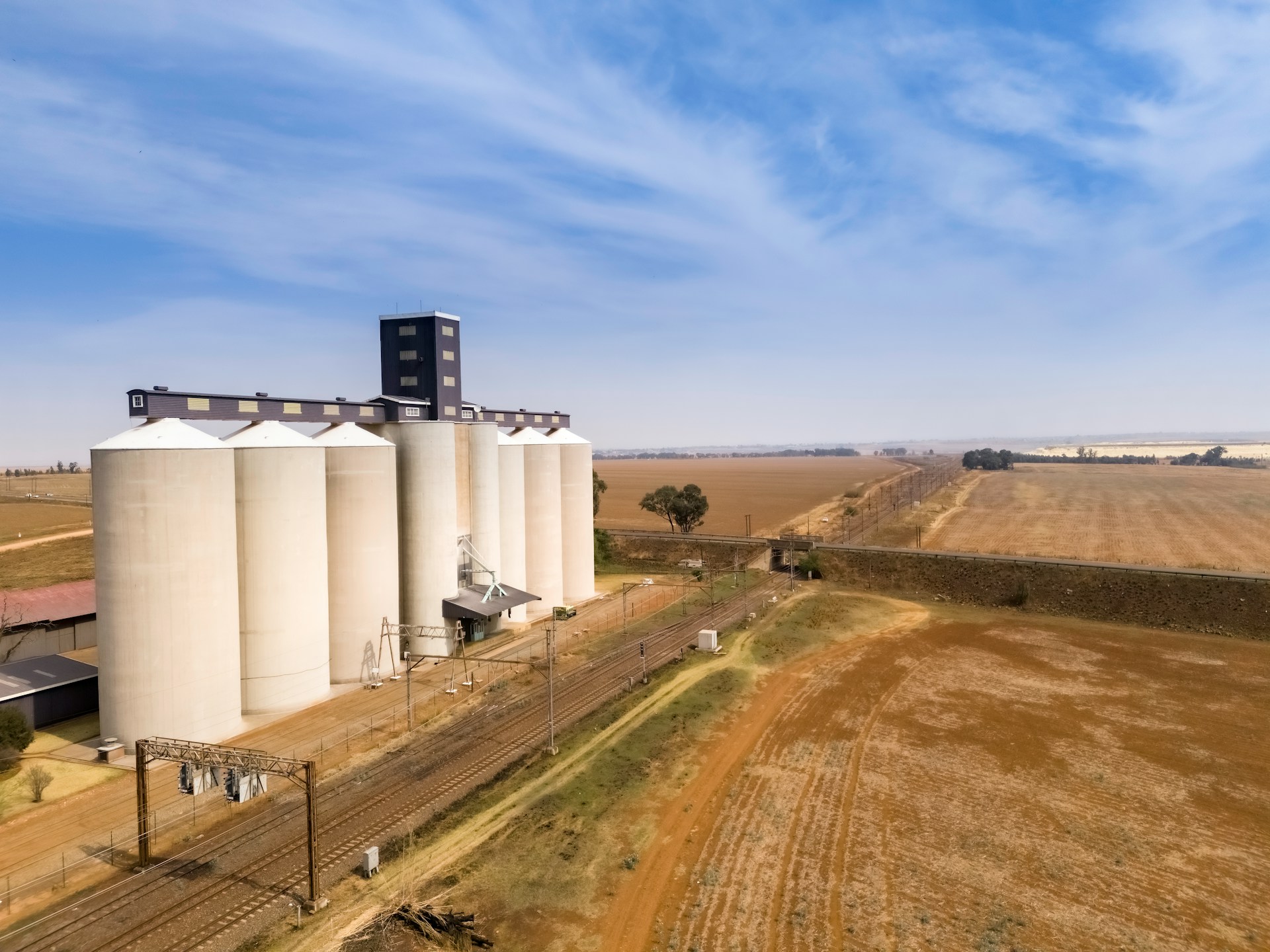
Every successful farming season depends on more than just strong crop yields. After harvest, farmers must still protect grain from moisture, insects, mold, and temperature damage. Without proper storage systems, large portions of valuable crops may lose quality before reaching the market. Because of this, many producers now invest in smarter preservation systems that support long-term storage and product safety. Modern agriculture increasingly depends on harvest storage management to maintain crop value and reduce financial losses after collection.
As global food demand continues to rise, grain preservation has become more important than ever. Farmers, suppliers, and storage operators all face pressure to keep crops fresh while reducing waste across the supply chain. At the same time, changing weather conditions pose additional risks during transportation and storage. Therefore, advanced grain protection strategies now play a major role in sustainable agricultural success.
Keeping Stored Crops Dry and Stable
Moisture remains one of the leading causes of grain spoilage. Even small increases in humidity inside storage structures can encourage mold growth and quickly damage crop quality. As a result, farmers must focus carefully on drying grain before long-term storage begins.
Many storage facilities now use advanced drying systems immediately after harvest. These systems reduce moisture levels while helping preserve nutritional quality and market value. In addition, sealed storage environments help prevent outside humidity from entering grain bins. When moisture remains stable, crops stay safer for much longer periods.
Maintaining Cooler Conditions Throughout Storage
Temperature control directly affects how well grain survives during storage. Warm conditions often increase insect activity and accelerate spoilage in silos or bins. Therefore, cooling systems and proper airflow have become essential parts of modern storage operations.
Aeration systems evenly distribute air through stored grain to prevent heat buildup. Meanwhile, monitoring equipment allows operators to track temperature changes across different storage sections. These tools help farmers detect small issues before major losses occur. Stable temperatures support stronger preservation and improve overall crop quality.
Strengthening Protection Against Insects and Rodents
Pests can destroy large quantities of grain within a short period of time. Rodents and insects not only consume crops but also contaminate storage areas. Consequently, prevention strategies remain extremely important for long-term grain safety.
Clean facilities, sealed structures, and regular inspections help reduce the risk of infestation. In the middle of these efforts, sealed silo preservation systems provide additional defense by limiting outside exposure and improving environmental control inside storage units. Farms that prioritize prevention often avoid the expensive damage caused by large-scale infestations.
Improving Air Circulation for Better Preservation
Poor airflow can create uneven conditions inside grain storage facilities. Some areas may trap moisture and heat, while other sections remain stable. Over time, these hidden problem spots can lead to spoilage that spreads through the storage system.
Modern ventilation systems help maintain balanced airflow throughout storage structures. Fans and circulation equipment reduce condensation while supporting more even temperatures. Furthermore, strong air circulation reduces the risk of mold growth during long-term storage. Better ventilation protects grain quality while reducing unnecessary waste.
Using Digital Monitoring for Faster Response
Technology now gives farmers more control over storage conditions than ever before. Instead of relying solely on manual inspections, operators can continuously monitor grain conditions using digital systems. This allows them to respond more quickly to changes within storage units.
Sensors track humidity, temperature, and air quality in real time. As a result, farmers receive early warnings before serious spoilage develops. Remote monitoring tools also improve convenience because storage conditions can be checked from mobile devices or computers. These systems support faster decisions and stronger crop protection.
Preserving Market Value Through Better Storage
Grain quality directly affects selling prices and buyer confidence. Crops damaged by mold, insects, or moisture often receive lower market grades, which reduces farm income. Therefore, effective storage systems play a major role in protecting profitability after harvest.
Advanced storage methods help farmers maintain crop conditions for longer periods. In addition, stronger preservation gives producers more flexibility when deciding the best time to sell. In many operations, climate-controlled grain care practices also reduce emergency losses caused by sudden weather changes or transportation delays. Over time, these improvements support more stable financial performance.
Supporting Food Safety Across Agricultural Supply Chains
Food safety standards are becoming increasingly stringent across the agriculture industry. Consumers and food manufacturers expect grain products to remain clean, safe, and properly preserved throughout storage and transportation. Because of this, modern grain facilities now focus heavily on sanitation and environmental management.
Routine inspections, proper handling methods, and controlled storage conditions all support safer food systems. In addition, modern preservation methods reduce the risk of pest contamination and moisture damage. Farms that prioritize food safety often strengthen long-term relationships with buyers and distributors.
Preparing Farms for Long-Term Storage Success
Modern grain preservation requires careful planning, reliable systems, and consistent monitoring throughout the storage season. Farmers who invest in more robust storage technology often reduce crop losses while preserving overall harvest value. They also improve flexibility during uncertain market conditions and transportation disruptions.
As agriculture continues evolving, advanced preservation systems will become even more important for global food security. Farms that adopt smarter storage methods today may gain stronger protection against future environmental and economic challenges. More importantly, they help ensure that harvested crops remain safe, valuable, and available throughout the year.
Long-term grain protection depends on steady management and early prevention. When farmers control moisture, improve airflow, monitor storage carefully, and reduce pest risks, they create safer conditions for preserving valuable crops. Strong storage systems not only protect harvests, but they also strengthen the future of modern agriculture.