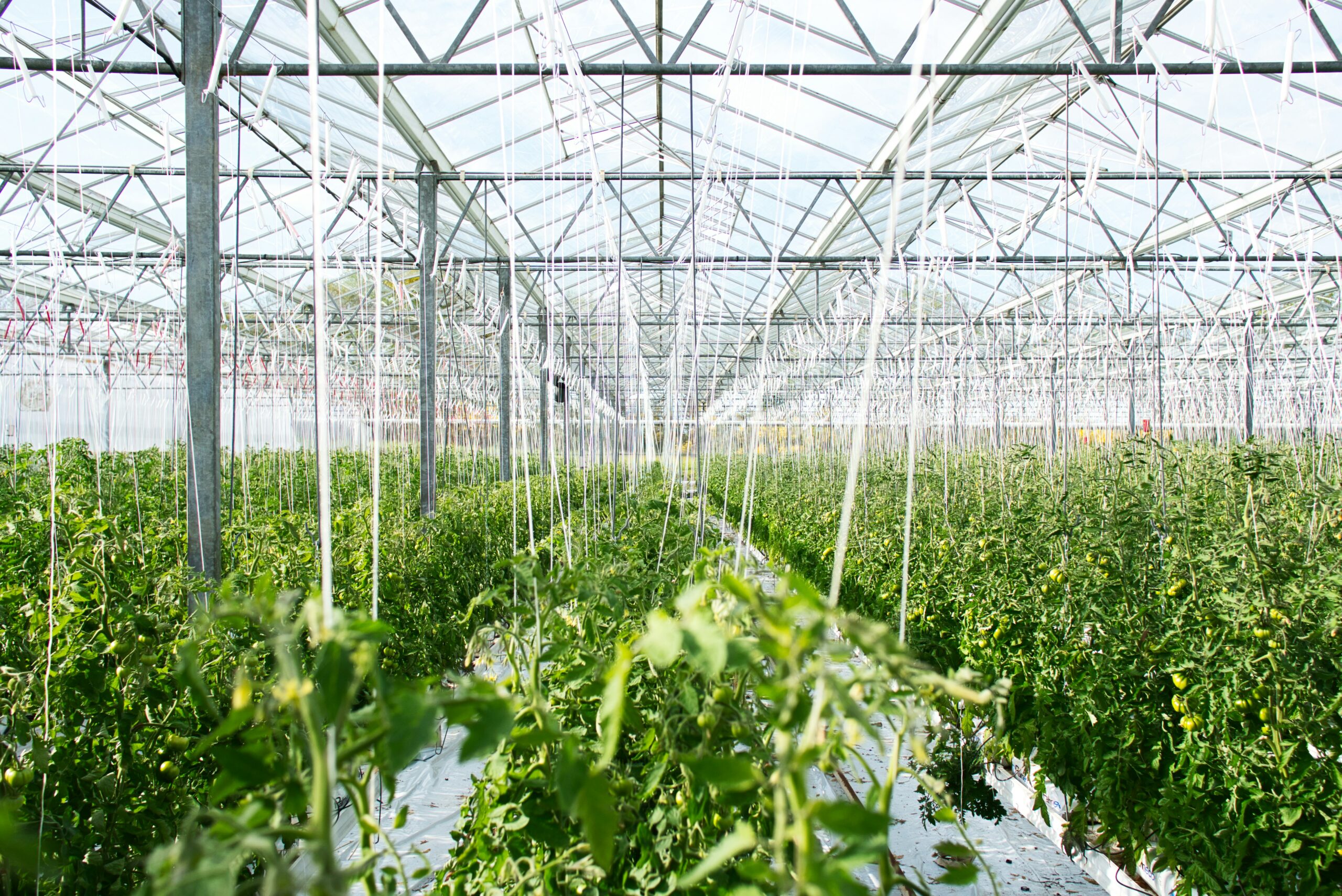
Agriculture today stands at a turning point. Climate change, population growth, soil degradation, and water scarcity are reshaping how food is grown worldwide. As a result, farmers and experts are shifting their focus toward long-term solutions that can withstand constant change. Future-ready agriculture is no longer optional; it is essential for global food security.
Building Agricultural Systems That Thrive in Uncertainty focuses on practical approaches that help farms remain productive while adapting to unpredictable conditions. Moreover, it emphasizes systems that protect natural resources rather than deplete them. As farming evolves, resilience becomes the defining factor that separates short-term survival from long-term success.
Redesigning Farming Systems for Long-Term Stability
Modern agriculture requires more than higher yields. Instead, it demands systems that can adapt to weather shifts, market changes, and environmental stress. Therefore, farmers are redesigning their operations from the ground up.
One important shift involves moving away from single-crop dependency. Monoculture farming often increases risk because one disease or weather event can damage an entire harvest. However, diversified farming spreads that risk across multiple crops. Moreover, it improves soil balance and reduces pest outbreaks. As a result, farms become more stable even in uncertain seasons.
Intercropping also supports this transformation. Farmers grow different crops together in the same field to improve nutrient use and reduce competition. In addition, this method strengthens soil structure and improves biodiversity. Consequently, yields become more reliable over time.
Furthermore, rotational planning helps farmers maintain productivity year after year. When crops rotate regularly, soil nutrients recover naturally, and pest cycles break down. Therefore, farmers reduce their dependence on chemical inputs while maintaining strong yields.
Soil Regeneration as the Core of Agricultural Resilience
Soil health determines the long-term success of any farm. Without healthy soil, even the most advanced technology cannot sustain productivity. Therefore, soil regeneration has become a top priority in modern agriculture.
Farmers now focus on rebuilding organic matter through composting and natural fertilization. Moreover, they reduce heavy tillage practices that damage soil structure. As a result, soil retains more nutrients and water, which directly improves crop resilience.
Cover crops play a major role in this process. These plants protect the soil from erosion and replenish nutrients in the soil. In addition, they support microbial life, which is essential for nutrient cycling. Consequently, soil becomes more fertile without relying heavily on synthetic fertilizers.
Reduced chemical use also supports soil regeneration. When farmers limit the use of pesticides and herbicides, beneficial organisms return to the soil ecosystem. Furthermore, earthworms, fungi, and bacteria help improve soil texture and fertility. Therefore, the entire ecosystem becomes more balanced and productive.
Water Security in an Era of Climate Uncertainty
Water scarcity is one of the most urgent challenges in agriculture today. Changing rainfall patterns and rising temperatures make water management more difficult. Therefore, farmers are adopting smarter and more efficient water strategies.
Drip irrigation systems help deliver water directly to plant roots. Moreover, this reduces evaporation and prevents overwatering. As a result, farms use less water while maintaining healthy crop growth.
Soil moisture monitoring tools also support better decision-making. Farmers can track water levels in real time and adjust irrigation schedules accordingly. In addition, this prevents both drought stress and water waste. Consequently, crops grow under more stable conditions.
Rainwater harvesting adds another layer of security. Farmers collect rainfall during wet seasons and store it for dry periods. Furthermore, this reduces pressure on groundwater sources. Therefore, farms become more self-sufficient and environmentally responsible.
In addition, landscape design improvements such as contour farming help slow water runoff. This allows soil to absorb more moisture, reducing erosion. As a result, farmland becomes more resilient during extreme weather events.
Technology Strengthening Agricultural Decision-Making
Technology has become a powerful ally in building resilient farming systems. While agriculture remains deeply connected to nature, digital tools now help farmers make more informed choices.
For example, satellite imaging provides detailed information about crop health across large areas. Moreover, it helps farmers detect early signs of stress, disease, or nutrient deficiency. As a result, they can take action before problems spread.
Drones also improve monitoring efficiency. They capture real-time visuals of fields, which reduces the need for manual inspections. In addition, they help identify irrigation issues and pest activity quickly. Consequently, farmers save time while improving accuracy.
Precision agriculture tools allow targeted application of fertilizers and pesticides. This reduces waste and minimizes environmental impact. Moreover, it lowers production costs while improving crop efficiency. Therefore, farms become both more sustainable and more profitable.
Data analytics systems further enhance planning. Farmers analyze weather patterns, soil conditions, and market trends to guide decisions. In addition, predictive models help reduce uncertainty. As a result, farmers gain more control over their long-term strategies.
Strengthening Biodiversity for Ecosystem Stability
Biodiversity is essential for creating resilient agricultural systems. When farms support a wide range of plant and animal life, they naturally become more stable and productive.
For instance, pollinators such as bees significantly increase crop yields. Moreover, beneficial insects help control pests without the need for chemical intervention. As a result, farms reduce their reliance on synthetic pesticides.
Plant diversity also strengthens ecosystem balance. Different crops use and restore nutrients in unique ways. In addition, diverse root systems improve soil structure and water absorption. Consequently, farmland becomes healthier and more productive over time.
Hedgerows and natural buffer zones further support biodiversity. These areas provide shelter for wildlife and improve ecological balance. Furthermore, they reduce wind damage and soil erosion. Therefore, they protect both crops and the surrounding environments.
Livestock integration also contributes to biodiversity. When animals graze in controlled rotations, they naturally fertilize soil and support plant regrowth. As a result, farms create more closed-loop systems that reduce waste.
Economic Resilience Through Sustainable Practices
Agricultural resilience is not only environmental, but it is also financial. Farmers must maintain profitability while adapting to changing conditions. Therefore, economic stability is a key part of long-term sustainability.
Reducing input costs is one major advantage of sustainable farming. Healthier soil and improved water efficiency reduce the need for expensive fertilizers and irrigation systems. Moreover, integrated pest management lowers chemical expenses. As a result, farmers improve their profit margins.
Market opportunities are also expanding. Consumers increasingly prefer sustainably produced food. In addition, companies and retailers are prioritizing environmentally responsible suppliers. Therefore, farmers who adopt sustainable practices gain access to premium markets.
Diversification of income streams also improves financial resilience. Farmers may combine crop production with livestock, agritourism, or value-added products. Consequently, they reduce dependence on a single revenue source.
Furthermore, long-term land value increases with sustainable management. Healthy soil and stable ecosystems improve productivity and investment value. As a result, farming becomes a more secure financial asset over time.
Challenges in Transitioning Toward Resilient Farming
Despite its benefits, transitioning to resilient farming systems presents challenges. Many farmers face financial barriers when adopting new technologies or practices. Moreover, results may take time to appear, which can create hesitation.
However, support systems are expanding. Governments, nonprofits, and agricultural organizations offer training and financial incentives. In addition, research institutions guide best practices. Consequently, adoption is gradually increasing.
Knowledge gaps also create challenges. Some farmers may lack access to information or technical expertise. Therefore, education programs play a critical role in supporting transition efforts.
Cultural resistance can also slow change. Traditional practices often feel safer because they are familiar. However, demonstration farms and peer learning help build trust in new methods. As a result, more farmers become willing to experiment with sustainable systems.