Agriculture continues to evolve as farmers seek better ways to produce food, manage resources, and address new challenges. Today, Smart Farming stands at the center of this change. Digital tools can help farmers understand fields, crops, livestock, weather, and machinery with greater accuracy. Sensors can monitor soil conditions, while drones can provide detailed views of crops. Meanwhile, artificial intelligence can study farm data and find useful patterns. Automated machinery can also improve the speed and accuracy of daily work. Therefore, farmers gain greater control over their operations while using resources more carefully. These innovations do not remove the value of traditional farming knowledge. Instead, they give farmers better tools to support their experience. As agricultural businesses face changing weather, higher costs, labor shortages, and rising food demand, smart technology can help build farms that are more productive, efficient, and prepared for the future.
Smart Farming Brings Technology to the Field
Smart Farming connects agricultural knowledge with digital technology. Farmers can use connected devices to collect information about soil, crops, equipment, livestock, and weather. As a result, they gain a clearer picture of what happens across the farm each day.
Technology also helps farmers respond faster when conditions change. For example, a sensor may show that soil moisture has dropped in one area. The farmer can then inspect that section and decide whether irrigation is necessary. Therefore, smart technology can turn farm information into practical action without replacing human judgment.
Precision Agriculture Creates More Efficient Farms
Different sections of a field can have very different needs. One area may contain enough moisture, while another may need water. Likewise, soil nutrients and crop health can vary across the same property. Treating every section in the same way can waste valuable resources.
Precision agriculture helps farmers manage these differences. GPS tools, digital maps, sensors, and field data can identify areas that require specific attention. Farmers can then adjust water, fertilizer, seed, and other inputs. Consequently, precision agriculture can reduce unnecessary costs while supporting stronger crop development.
Smart Sensors Deliver Timely Information
Farmers need accurate information to make strong decisions. Smart sensors can collect data throughout the day without requiring constant field inspections. These devices may track soil moisture, temperature, humidity, and other conditions that influence crops.
Because farmers receive timely information, they can respond to changes sooner. If soil becomes too dry, they can review the situation before crops show severe stress. In addition, sensor data can reveal patterns over time. This knowledge can improve both short-term actions and long-term planning.
Artificial Intelligence Supports Better Farm Decisions
Modern agricultural operations can create large amounts of data. Weather systems, machinery, sensors, and crop records may all provide useful information. However, farmers may find it difficult to study every detail manually.
Artificial intelligence can analyze this information and identify patterns. For example, AI tools may help farmers recognize crop stress, estimate future yields, or understand changing field conditions. Still, farmers need to interpret the results based on local experience. Therefore, artificial intelligence works best when it supports skilled decision-making.
Agricultural Drones Change Crop Monitoring
Traditional crop inspection often requires farmers to walk or drive through large fields. While this method remains useful, it can take considerable time. Some problems may also remain difficult to see from ground level.
Agricultural drones provide another way to monitor crops. They can capture aerial imagery showing uneven growth, dry areas, potential pest activity, and other changes. Farmers can then visit the locations that need attention. As a result, drones can speed up crop monitoring while helping farmers detect problems earlier.
Smart Irrigation Improves Water Management
Water remains essential for agricultural production, yet farms need to use it wisely. Fixed irrigation schedules may deliver water even when the soil already contains sufficient moisture. This approach can increase costs and waste a limited resource.
Smart irrigation combines digital information with better control. Soil sensors can show current moisture levels, while weather forecasts can help farmers prepare for rainfall. Therefore, farmers can adjust watering according to actual needs. More accurate irrigation can conserve water while supporting healthy crop growth.
Automation Changes Daily Farm Operations
Farming involves many repetitive tasks that require time and physical effort. Planting, spraying, feeding, irrigation, and harvesting can place heavy demands on workers. Automation can help farms complete selected tasks with greater consistency.
Automated systems can also help workers use their time more effectively. Instead of focusing only on repetitive work, employees can manage equipment, monitor crops, review data, and solve problems. Consequently, automation can improve efficiency while creating demand for stronger technical skills in agriculture.
Robotics Creates New Opportunities for Farmers
Robotic technology continues to develop across the agricultural industry. Some robots can assist with harvesting, weeding, sorting, crop monitoring, and other tasks. These systems can perform repetitive work with a high level of accuracy.
Robotics may also help farms that struggle with seasonal labor shortages. However, robots still require human oversight, maintenance, and planning. Therefore, the future of farm robotics will likely depend on cooperation between people and machines. Skilled workers will remain essential to successful operations.
Connected Machinery Improves Field Accuracy
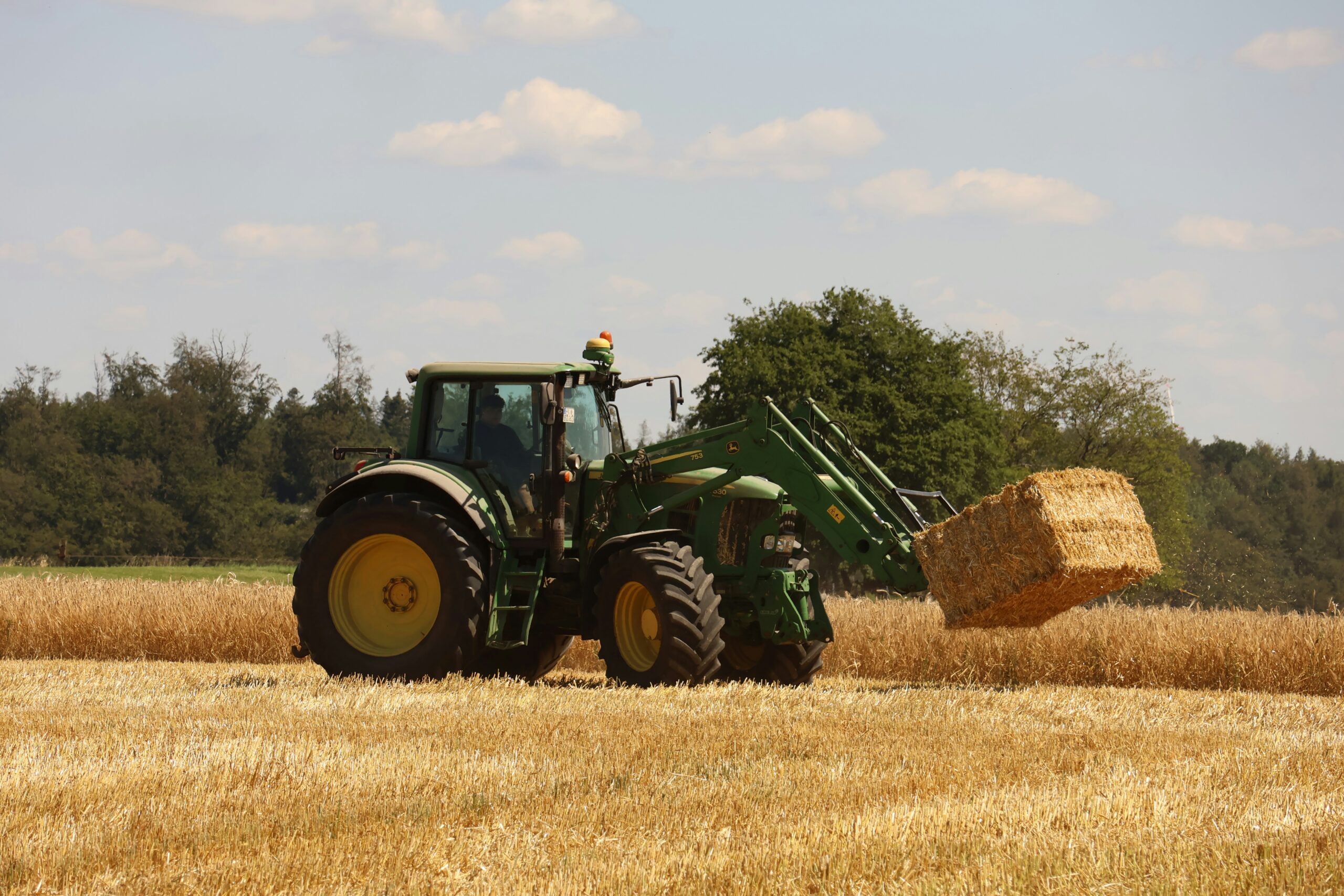
Modern tractors and other agricultural machines can connect with digital systems. GPS guidance can help equipment follow accurate routes through fields. Meanwhile, onboard technology can track operating hours, fuel use, location, and performance.
Better accuracy can reduce unnecessary overlap during planting, spraying, or other field activities. In addition, equipment data can help farmers plan maintenance before a major problem occurs. As a result, connected machinery can save time, reduce waste, and improve the reliability of farm operations.