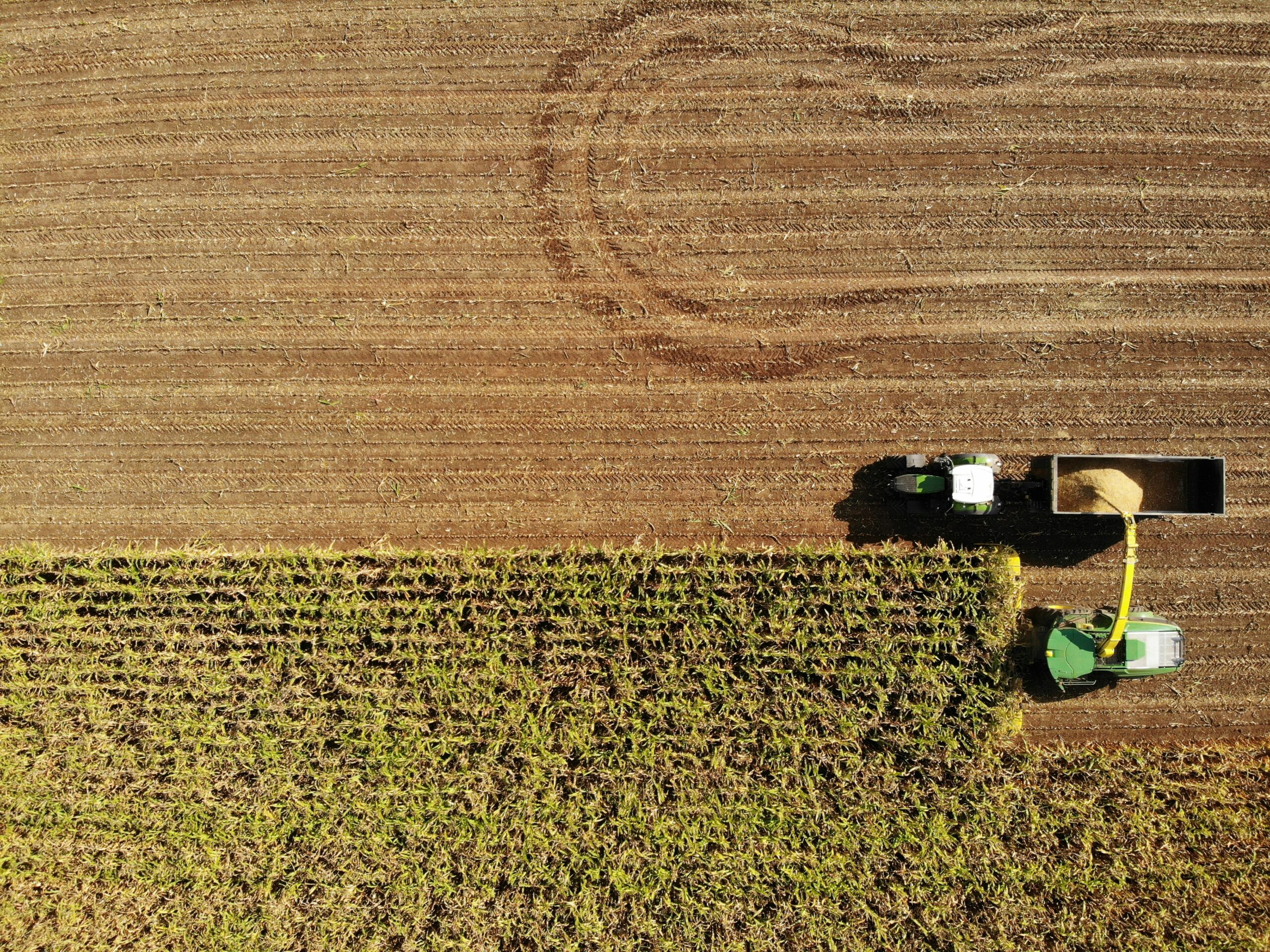
Agriculture has always depended on experience, patience, and a deep connection with the land. However, modern farmers now have access to new tools that help them make better choices. Data has become one of the most valuable resources in farming because it allows growers to understand their fields more clearly and respond to changes quickly.
Smart farming uses information collected from farms to improve daily decisions. Farmers can now track soil conditions, weather patterns, crop health, and water needs with greater accuracy. As a result, they can reduce waste, protect natural resources, and grow healthier crops while meeting the increasing demand for food.
The growth of smart farming is changing the way people view agriculture. Farming is no longer based only on tradition and experience. Instead, it combines knowledge from the past with useful information from modern technology. This approach helps farmers work more efficiently while creating a more sustainable future for food production.
How Data Helps Farmers Make Better Decisions
Data gives farmers a clearer picture of what is happening across their land. In the past, farmers often had to rely on observation and guesswork when making important choices. Today, they can use collected information to understand problems before they become serious. This allows them to take action at the right time.
For example, farmers can learn when their crops need water, when the soil requires attention, or when plants show early signs of stress. This information helps them avoid unnecessary actions and focus their efforts where they matter most. Therefore, data supports smarter decisions that improve productivity and reduce costs.
Modern farming tools also help farmers compare results over time. They can study past seasons and understand what methods worked best. This knowledge allows them to improve future harvests and make farming practices more reliable. By using accurate information, farmers can replace uncertainty with confidence.
Improving Crop Growth Through Better Information
Healthy crops require the right balance of water, nutrients, sunlight, and care. Data helps farmers understand these needs in detail. Instead of treating every part of a field the same way, they can recognize that different areas may require different levels of attention.
This approach allows farmers to provide better care for their crops. When plants receive the right amount of resources, they can grow stronger and produce better harvests. At the same time, farmers can avoid using too much water or fertilizer, which protects the environment and lowers expenses.
Furthermore, data helps farmers identify problems earlier. Changes in plant growth, soil quality, or weather conditions can reveal possible risks. By noticing these changes quickly, farmers can protect their crops before major damage occurs. This creates a more dependable farming system.
The Role of Weather Data in Modern Agriculture
Weather has always played a major role in farming. A sudden storm, drought, or temperature change can affect an entire harvest. However, farmers now have access to better weather information that helps them prepare for changing conditions.
Weather data allows farmers to plan important activities such as planting, watering, and harvesting. They can choose better times to complete these tasks and reduce risks from unpredictable weather. As climate conditions continue to change, this information becomes even more valuable.
In addition, weather insights help farmers protect their resources. When farmers know that rain is expected, they can adjust watering plans and prevent unnecessary water use. This creates a more balanced relationship between farming and nature while improving overall efficiency.
Reducing Waste and Supporting Sustainable Farming
One of the biggest benefits of data-driven farming is reducing waste. Traditional farming methods sometimes lead to the overuse of water, seeds, and other resources. With better information, farmers can use only what their crops truly need.
This smarter approach supports sustainable agriculture. Farmers can protect soil health, conserve water, and reduce their impact on the environment. At the same time, they can maintain strong production levels and support long-term food security.
Moreover, sustainable farming practices benefit future generations. When farmers manage resources carefully today, they help preserve productive land for tomorrow. Data gives them the knowledge needed to make responsible choices without reducing the quality of their harvests.
Connecting Farmers With New Opportunities
Data is not only changing how farmers work in their fields. It is also creating new opportunities across the agricultural industry. Farmers can use information to understand market trends, improve product quality, and connect with buyers more effectively.
Better access to information helps farmers make stronger business decisions. They can understand which crops have higher demand and adjust their plans accordingly. This can improve income opportunities and help smaller farms compete in changing markets.
Additionally, data creates stronger connections between farmers, researchers, and agricultural experts. Sharing knowledge allows communities to solve common challenges and develop better farming methods. As more people work together, agriculture becomes more innovative and adaptable.
Challenges in Building a Data-Based Farming Future
Although smart farming offers many advantages, farmers also face challenges when adopting new systems. Some farmers may find modern tools expensive or difficult to understand. Access to training and support is important to ensure that everyone can benefit from these improvements.
Another challenge is managing the large amount of information collected from farms. Farmers need simple and practical solutions that turn information into useful actions. Technology should support farmers rather than complicate their work.
However, these challenges can be overcome with proper education, affordable tools, and better access to resources. As smart farming continues to develop, more farmers will discover how data can improve their daily operations and long-term success.
The Future of Agriculture With Smart Farming
The future of agriculture will depend on the connection between human knowledge and modern information. Farmers will continue to play the most important role, but data will help them make decisions with greater accuracy and confidence.
As technology becomes easier to access, smart farming will continue to grow around the world. More farms will use information to improve crop production, protect resources, and respond to environmental changes. This transformation will help create a stronger and more sustainable food system.
Ultimately, data is becoming a powerful partner for farmers. It does not replace experience or traditional farming knowledge. Instead, it strengthens those skills by providing valuable insights. The smart farming revolution represents a new chapter in agriculture where information helps farmers build a more productive and sustainable future.