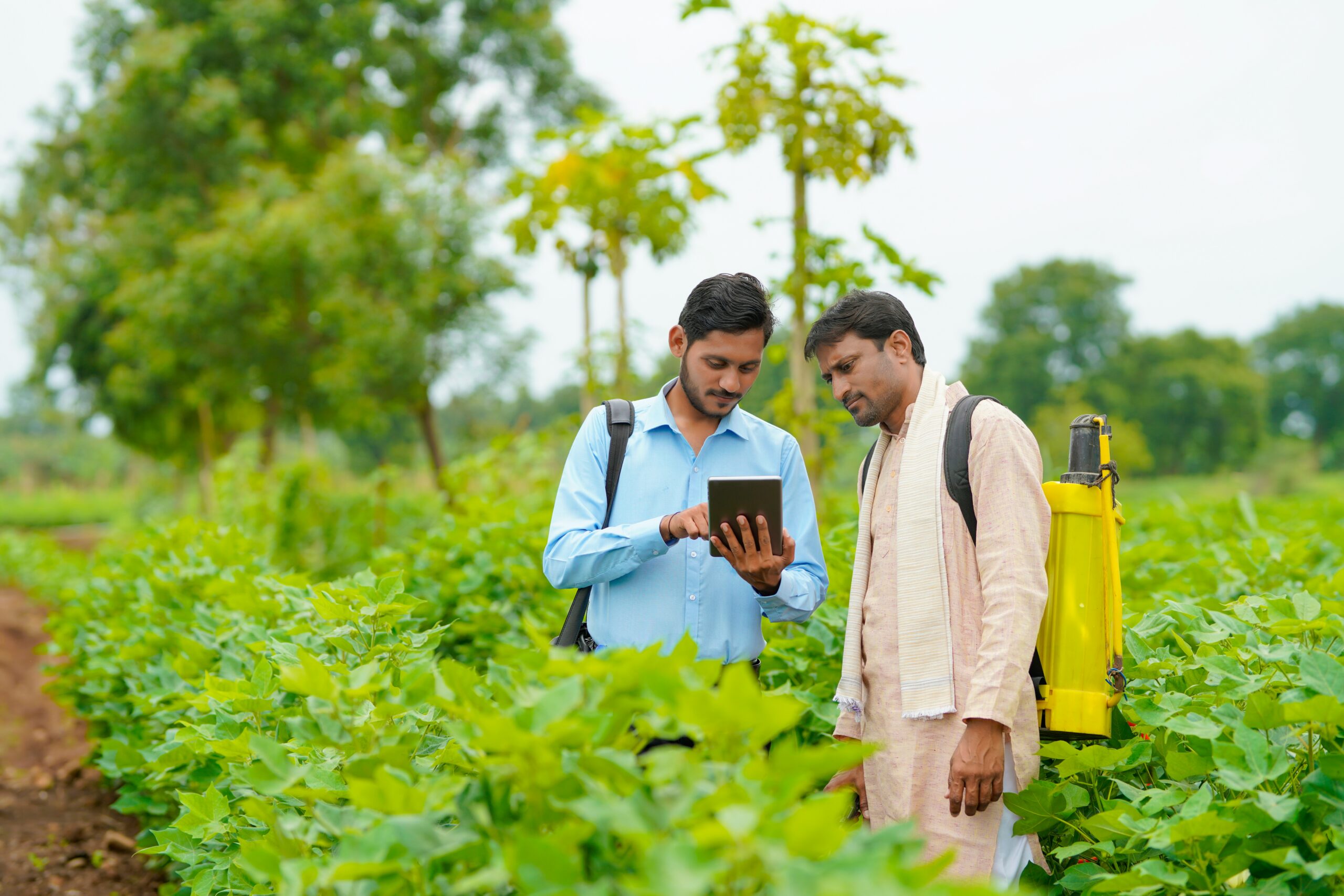
Smart farming powered by big data is reshaping how growers plan, manage, and optimize agricultural production. By combining advanced sensors, satellite imagery, artificial intelligence, and real-time analytics, farmers can now make more precise decisions that improve yield, reduce waste, and increase profitability. This shift represents a major evolution from traditional farming methods to a more data-centric and technology-enabled agricultural system that responds dynamically to changing environmental and market conditions.
The Role of Big Data in Modern Agricultural Decision-Making
Big data in agriculture refers to the massive volumes of structured and unstructured information collected from farms, equipment, weather systems, soil sensors, and market platforms. This data is processed and analyzed to generate actionable insights that help farmers make better decisions across the entire crop lifecycle. From planting schedules to irrigation planning, every stage of farming can now be optimized using data-driven intelligence.
One of the most important benefits of big data is its ability to reduce uncertainty. Farmers no longer rely solely on intuition or historical experience; instead, they can use predictive models that analyze weather patterns, soil conditions, and crop performance trends. This allows growers to anticipate risks such as droughts, pest infestations, or nutrient deficiencies before they become major problems.
Precision Agriculture and Data-Driven Field Management
Precision agriculture is one of the most impactful applications of smart farming and big data. It involves using detailed field-level data to manage crops with high accuracy, ensuring that each part of a farm receives exactly what it needs in terms of water, fertilizer, and care. Technologies such as GPS-guided tractors, drone imaging, and soil moisture sensors play a key role in making this possible.
With precision agriculture, farmers can reduce input costs while increasing productivity. Instead of applying uniform treatments across an entire field, they can target specific zones that require attention. This not only improves efficiency but also reduces environmental impact by minimizing excessive use of water, chemicals, and fertilizers. Over time, this leads to healthier soil and more sustainable farming practices.
The Power of Predictive Analytics in Farming Operations
Predictive analytics uses historical and real-time data to forecast future agricultural outcomes. In smart farming, this means being able to predict crop yields, identify potential disease outbreaks, and estimate market demand with greater accuracy. These insights allow farmers to plan more effectively and reduce financial uncertainty.
For example, by analyzing past weather patterns and crop performance data, predictive models can suggest the optimal planting window for specific crops. Similarly, machine learning algorithms can detect early signs of plant stress or disease by analyzing imagery from drones or satellites. This enables farmers to take corrective action early, protecting both yield and quality.
IoT and Sensor Technology in Data-Driven Agriculture
The Internet of Things plays a crucial role in smart farming by connecting physical devices across the farm to digital systems that continuously collect and transmit data. Sensors placed in soil, irrigation systems, and equipment provide real-time updates on moisture levels, temperature, humidity, and nutrient content. This constant flow of information gives farmers a complete picture of farm conditions at any moment.
IoT technology also improves automation in agriculture. Smart irrigation systems can automatically adjust water distribution based on soil moisture readings, while connected machinery can optimize fuel usage and operational efficiency. These innovations reduce manual labor, improve resource management, and allow farmers to focus more on strategic decision-making rather than routine tasks.
Big Data Integration with Supply Chains and Market Trends
Beyond the farm, big data also plays a critical role in agricultural supply chains and market forecasting. By analyzing consumer demand, transportation logistics, and pricing trends, farmers and distributors can make smarter decisions about when and where to sell their products. This helps reduce waste and ensures better alignment between production and market needs.
Data integration across the supply chain also improves transparency and traceability. Buyers can track where crops were grown, how they were produced, and how they were handled during distribution. This not only builds consumer trust but also helps farmers meet regulatory requirements and quality standards more efficiently.
Challenges and Future Opportunities in Smart Farming
Despite its many advantages, the adoption of smart farming and big data still faces several challenges. High implementation costs, limited technical knowledge, and a lack of infrastructure in rural areas can slow down adoption, especially among small-scale farmers. Data privacy and security concerns also remain important issues as more agricultural operations move online.
However, the future of smart farming holds significant opportunities. As technology becomes more affordable and accessible, even small farms will be able to benefit from data-driven tools. Continued advancements in artificial intelligence, automation, and cloud computing are expected to revolutionize agriculture further, making it more efficient, sustainable, and resilient in the face of global challenges such as climate change and population growth.