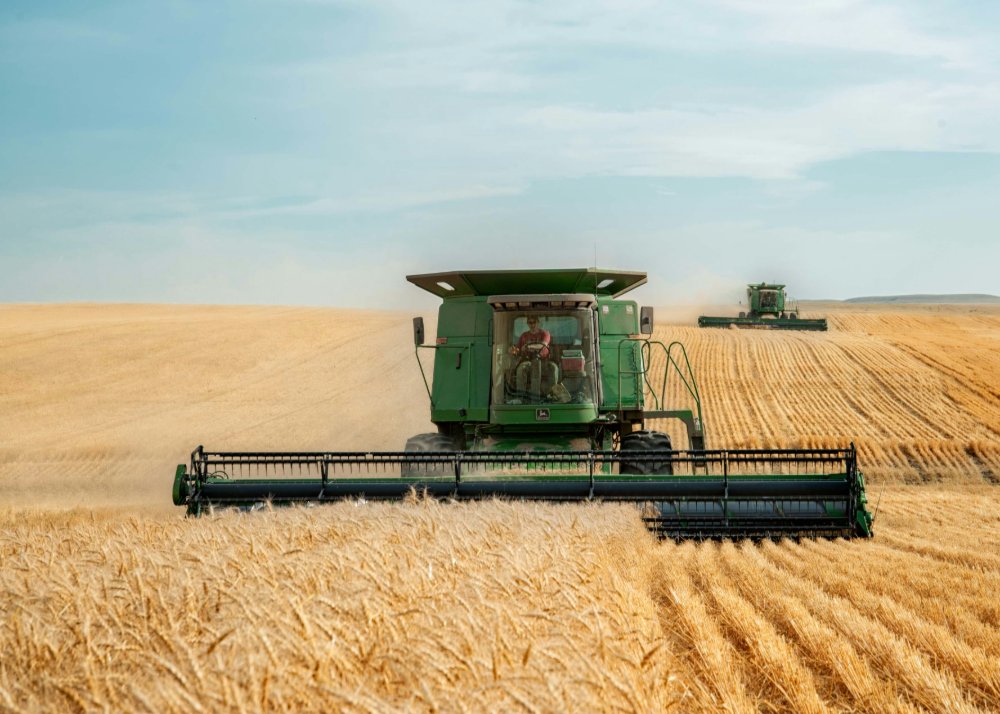
Agriculture is entering a new era as advanced technologies change how farmers grow crops, manage resources, and improve productivity. Modern farming now involves more than traditional machinery and manual labor. Innovative tools help farmers monitor field conditions, reduce waste, and make informed decisions. As a result, agricultural technology is creating new opportunities for efficient food production and sustainable farming.
Moreover, rising food demand, unpredictable weather, and increasing production costs encourage farmers to explore modern solutions. Technologies such as artificial intelligence, robotics, smart sensors, and automated equipment are becoming more useful in agriculture. These innovations help farmers complete daily tasks more accurately. As a result, the next generation of agricultural technology can support stronger farming operations and long-term agricultural development.
The Evolution of Modern Agricultural Technology
Agricultural technology has changed significantly over the years. Traditional farming once depended mainly on human labor, basic machinery, and personal experience. Today, digital systems give farmers accurate information on soil conditions, crop development, and equipment performance. As a result, modern technology helps agricultural businesses improve efficiency while preserving valuable farming knowledge.
Additionally, advanced equipment lets farmers complete demanding tasks faster and more consistently. Connected machines, automated controls, and digital platforms simplify important operations. Farmers can also review production records to identify areas that need improvement. As a result, technological progress supports better planning and more productive agricultural practices.
Artificial Intelligence Creates Smarter Farming Opportunities
Artificial intelligence is becoming an important part of modern agriculture. AI-powered systems analyze information from soil sensors, weather reports, and crop images to identify useful patterns. Farmers can use these insights to understand changing field conditions and anticipate potential problems. As a result, artificial intelligence supports better decisions throughout the growing season.
Furthermore, AI technology helps farmers monitor plant health and estimate crop performance. Image recognition systems can identify visible signs of disease or unusual growth. Farmers can investigate these findings and choose appropriate solutions before problems spread. As a result, artificial intelligence can reduce preventable crop losses and improve agricultural efficiency.
Agricultural Robotics Reduces Repetitive Farm Work
Robotic technology is changing how farmers complete labor-intensive agricultural activities. Specialized robots can assist with planting, mechanical weeding, crop inspection, and harvesting certain products. These machines use cameras and sensors to recognize field conditions and guide their movements. As a result, agricultural robotics can reduce repetitive work and improve operational consistency.
Moreover, robotic equipment may help agricultural businesses manage seasonal labor shortages. Automated systems can support workers during demanding planting and harvesting periods. However, farmers still need trained employees to supervise machinery and keep operations running reliably. Consequently, robotics can strengthen workforce efficiency when agricultural businesses introduce it carefully.
Smart Sensors Improve Soil and Crop Monitoring
Healthy soil supports successful agricultural production, and smart sensors help farmers understand changing field conditions. Digital monitoring devices measure moisture, temperature, and other important environmental characteristics. Farmers can review this information through connected platforms and identify areas requiring attention. As a result, smart sensors support more accurate crop management and responsible resource use.
Additionally, monitoring systems allow farmers to track conditions throughout the growing season. Connected devices can alert farmers when measurements fall outside expected ranges. These warnings help growers investigate potential problems and adjust management practices. As a result, smart sensors improve awareness in agriculture and support healthier growing environments.
Precision Farming Improves Agricultural Resource Management
Precision farming helps farmers manage different areas of their fields according to specific growing requirements. GPS technology, digital mapping, and connected equipment provide information about soil conditions and crop development. Farmers can use these insights to adjust planting, fertilizing, and irrigation activities. As a result, precision agriculture supports efficient resource management and better production planning.
Furthermore, variable-rate equipment lets growers apply agricultural inputs at different rates across a field. Instead of applying the same amounts everywhere, farmers can respond to local needs. This approach can reduce unnecessary fertilizer use and lower operating costs. Therefore, precision farming supports both agricultural productivity and environmental responsibility.
Advanced Irrigation Systems Strengthen Water Conservation
Water availability remains a major concern for farmers, especially in drought-prone regions or areas with irregular rainfall. Advanced irrigation systems use soil moisture measurements, weather information, and automated controls to guide watering schedules. Farmers can adjust irrigation based on crop needs and field conditions. As a result, smart irrigation reduces unnecessary water use.
Moreover, connected irrigation platforms let farmers monitor water use and equipment performance remotely. Digital alerts can identify unusual moisture readings or possible system problems. Farmers can investigate these issues and adjust settings in time. As a result, smart irrigation supports healthier crops while protecting valuable water resources.
Drone Technology Improves Agricultural Field Inspections
Agricultural drones provide a convenient way to monitor large fields and identify potential crop problems. Equipped with specialized cameras, drones capture aerial images that reveal differences in plant growth and irrigation coverage. Farmers can review these images to pinpoint areas that need closer inspection. As a result, drone technology improves field monitoring and supports informed decisions.
Additionally, regular aerial inspections help farmers observe crop development over time. Comparing images from different periods can reveal unusual changes in vegetation conditions. Growers can combine these observations with soil measurements and field inspections. As a result, drone technology supports more effective crop management and reduces the time spent on unnecessary inspections.
Connected Machinery Improves Equipment Efficiency
Modern agricultural machinery increasingly uses digital connections to share important operating information. Connected tractors and harvesting equipment can report fuel consumption, operating hours, and mechanical conditions. Farmers can review this information to identify inefficient operations and maintenance requirements. As a result, connected equipment helps agricultural businesses improve reliability and control costs.
Furthermore, digital monitoring can support preventive equipment maintenance. Farmers can track operating patterns and investigate warning signs before machinery experiences major problems. This approach may reduce unexpected breakdowns during important agricultural activities. Therefore, connected machinery supports more consistent operations and better equipment management.