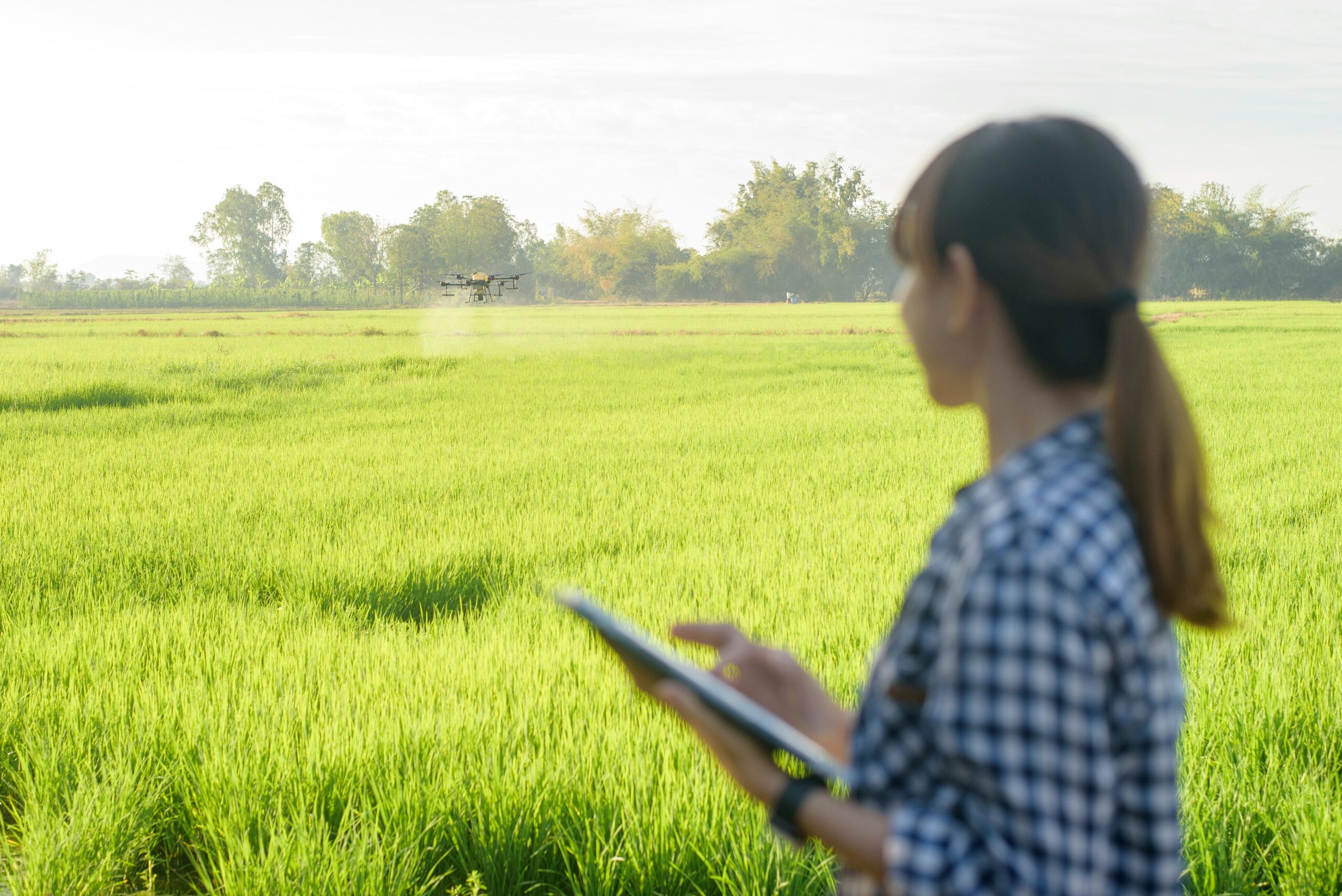
Agriculture is changing as farmers adopt modern tools to improve crop production and resource management. In the past, farmers often relied on personal experience, seasonal patterns, and manual field inspections. However, modern technology now provides valuable information about soil conditions, weather changes, crop health, and equipment performance. As a result, data analytics in agriculture has become an essential tool for improving farming decisions and operational efficiency.
Today, farmers can collect information through smart sensors, drones, satellite imagery, and digital management platforms. These technologies help agricultural businesses understand field conditions and identify opportunities for improvement. Moreover, data-driven farming supports better planning, reduces unnecessary expenses, and promotes sustainable agricultural practices. By combining reliable information with practical experience, farmers can develop more productive and resilient farming operations.
Understanding Data Analytics in Agriculture
Data analytics in agriculture involves collecting, organizing, and studying farming information to support better decisions. Farmers use data from soil sensors, weather stations, agricultural machinery, and crop monitoring systems to understand field conditions. This information helps them identify patterns that influence crop growth, resource use, and overall productivity.
Furthermore, agricultural data analytics transforms complex information into practical insights. Digital platforms can display soil moisture levels, weather forecasts, and production records through simple dashboards. As a result, farmers can assess current conditions and compare them with previous growing seasons. This approach helps agricultural businesses make informed decisions and improve daily farm management.
Improving Crop Production Through Data-Driven Farming
Crop production depends on soil quality, water availability, nutrient levels, and environmental conditions. However, these factors often vary across different sections of farmland. Traditional farming methods may overlook important differences, leading to inefficient resource use and inconsistent crop performance.
Data-driven farming helps farmers understand these variations through detailed field information. For example, digital monitoring systems can identify areas with poor crop growth or unusual moisture conditions. Farmers can then investigate the causes and adjust their management practices. As a result, agricultural data analytics can support healthier crops, improve production consistency, and reduce preventable losses.
Using Predictive Analytics for Better Farm Planning
Agricultural planning involves uncertainty because weather conditions, pests, and environmental changes can affect production. Farmers must prepare for potential challenges when deciding on planting, irrigation, and harvesting. However, predicting future conditions through experience alone can be difficult.
Predictive analytics uses historical records, current measurements, and statistical models to estimate possible outcomes. Farmers can use these insights to evaluate planting schedules, identify weather risks, and prepare for harvest activities. Predictive tools can also help agricultural businesses compare different management strategies. Although forecasts cannot guarantee results, they provide valuable guidance for more informed planning.
Precision Agriculture and Smarter Resource Management
Precision agriculture uses digital information to manage farming activities according to specific field requirements. GPS technology, digital mapping, and connected sensors help farmers understand differences in soil conditions and crop development. As a result, producers can make targeted decisions instead of treating every part of a field equally.
Additionally, precision farming equipment can adjust fertilizer applications, irrigation schedules, and crop protection treatments based on field data. This approach helps farmers avoid unnecessary resource use while maintaining productive growing conditions. Moreover, targeted applications can reduce operating expenses and support environmental responsibility. Therefore, precision agriculture plays an important role in modern agricultural efficiency.
Smart Irrigation and Efficient Water Management
Water management remains a major concern for agricultural businesses. Excessive irrigation can waste water, increase energy costs, and damage soil conditions. On the other hand, insufficient watering can limit plant growth and reduce crop quality. Therefore, farmers need accurate information to maintain suitable moisture levels.
Smart irrigation systems use soil moisture sensors, weather forecasts, and digital monitoring tools to guide watering decisions. Farmers can review field conditions and adjust irrigation schedules according to crop requirements. Additionally, automated systems can respond to predefined moisture levels. As a result, data-driven irrigation can reduce unnecessary water use and support sustainable farming practices.
Improving Soil Health With Agricultural Data Analytics
Healthy soil provides the foundation for successful crop production. However, soil characteristics can change because of weather conditions, farming practices, and nutrient use. Without reliable information, farmers may struggle to maintain suitable growing conditions.
Agricultural data analytics helps producers evaluate soil moisture, nutrient availability, and other important characteristics. Soil testing, connected sensors, and digital maps provide useful information about field differences. Moreover, historical records let farmers track changes over time. By using these insights, agricultural businesses can improve fertilizer planning, support soil conservation, and maintain long-term productivity.