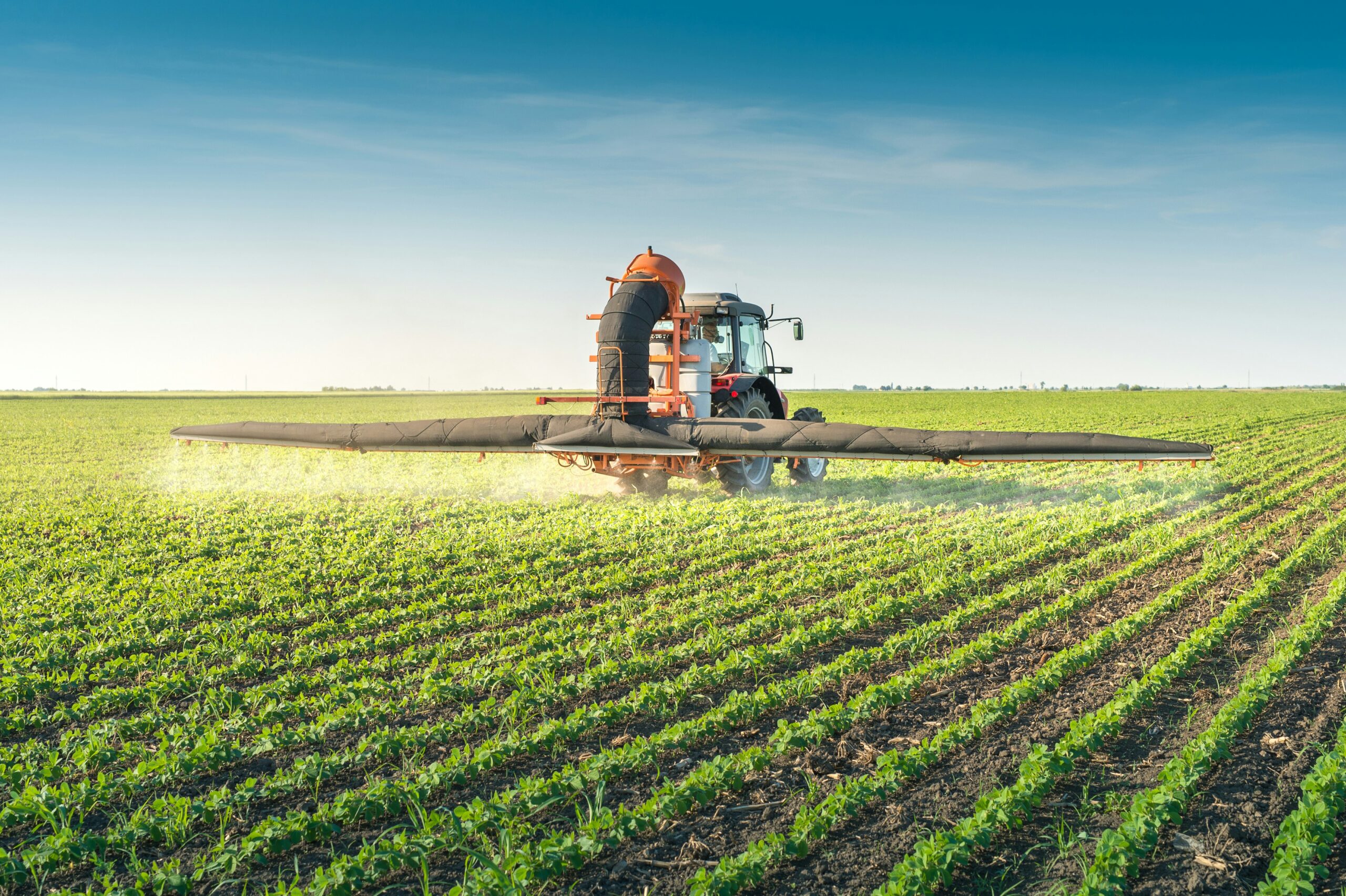
Agriculture continues to evolve as farmers face growing challenges from climate change, resource management, labor shortages, and rising food demand. Modern solutions are helping producers improve crop performance while protecting natural resources for future generation. This is achieved through advanced tools, data-driven decisions, and smarter methods.
The farming industry is entering a new era of efficiency and sustainability. These changes allow farmers to produce more food with fewer resources while maintaining environmental balance and long-term productivity.
The Growth of Smart Technology in Modern Agriculture
Technology has become an important part of modern agriculture because farmers need accurate information to make better decisions. Innovative farming technologies help growers understand soil conditions, weather patterns, crop health, and resource needs. As a result, farmers can reduce waste, improve efficiency, and create stronger production systems that support long-term success.
Digital tools also continue to transform traditional farming methods by connecting equipment, sensors, and data platforms. Farmers now use technology to monitor fields in real time and identify problems before they become major issues. As a result, smart farming systems are creating more reliable and productive agricultural operations worldwide.
Precision Agriculture Improving Farm Efficiency
Precision agriculture has changed the way farmers manage their fields by focusing on specific needs instead of using the same approach everywhere. This method uses GPS systems, satellite images, and field sensors to provide accurate information about crop conditions. As a result, farmers can apply water, fertilizer, and other resources exactly where they are needed.
Additionally, precision agriculture supports better financial decisions by reducing unnecessary expenses. Farmers can lower input costs while improving crop quality and production levels. Moreover, these practices support sustainable farming by reducing excess chemical use and protecting soil health over time.
Artificial Intelligence Supporting Better Farming Decisions
Artificial intelligence is becoming a powerful tool in agriculture because it helps farmers quickly analyze large amounts of information. AI systems can predict crop diseases, evaluate weather changes, and recommend better planting strategies. As a result, farmers can respond faster to challenges and improve overall farm management.
Moreover, artificial intelligence allows agricultural businesses to create more accurate production plans. Machine learning systems continue to improve as they collect more farm data. As a result, farmers gain valuable insights that support smarter decisions and reduce risks connected with unpredictable farming conditions.
Robotics and Automation Transforming Agricultural Work
Robotics and automation help farmers complete difficult tasks faster and more accurately. Automated machines can assist with planting, harvesting, sorting, and monitoring crops. These innovative technologies also help address labor challenges by allowing farms to maintain productivity during busy seasons.
However, automation does not replace the importance of human knowledge and experience. Instead, it works alongside farmers by reducing physical workloads and improving daily operations. Furthermore, automated equipment can improve accuracy, helping farmers maintain consistent quality throughout the production cycle.
Sustainable Farming Practices Through Advanced Solutions
Sustainability has become a major focus in agriculture because natural resources require careful management. Modern farming solutions help farmers protect soil, conserve water, and reduce environmental impact. As a result, agricultural producers can maintain strong yields while supporting healthier ecosystems.
In addition, sustainable practices improve the future of farming by creating balanced production systems. Renewable energy tools, efficient irrigation methods, and responsible resource management all contribute to environmental protection. Therefore, farmers who adopt sustainable approaches can build stronger operations that remain productive for many years.
Data Analytics: Creating Smarter Agricultural Systems
Data analytics plays an important role in helping farmers understand trends and improve performance. By collecting information from fields, equipment, and weather systems, farmers can identify patterns that influence crop success. As a result, data-driven agriculture lets producers make informed decisions instead of relying only on traditional methods.
Furthermore, agricultural data platforms help farmers compare results and plan for the future. These systems provide valuable details about crop growth, resource usage, and operational efficiency. Therefore, data analytics continues to support a more organized and productive agricultural industry.
The Role of Digital Platforms in Farm Management
Digital platforms make farm management easier by bringing key information into one central system. Farmers can track equipment performance, review field conditions, and manage resources through connected applications. As a result, digital platforms improve communication and simplify daily farming activities.
These platforms also help farmers respond quickly to changing conditions. Weather updates, market information, and production reports can support better planning throughout the year. As a result, digital farm management tools are becoming essential for producers who want to improve efficiency and remain competitive.
Future Opportunities for Agricultural Innovation
The future of agriculture will continue to depend on innovation, research, and responsible technology adoption. New solutions will help farmers produce more food while using fewer resources. Continued improvements in automation, artificial intelligence, and data systems will also create new opportunities for agricultural growth.
As technology becomes more accessible, farms of all sizes can benefit from modern solutions. Smaller producers can use affordable digital tools, while larger operations can adopt advanced systems for large-scale management. Consequently, the agricultural industry will continue moving toward a future focused on efficiency, sustainability, and resilience.
Building a Smarter Agricultural Future Through Innovation
The agricultural sector is changing rapidly as technology creates new ways to improve productivity and sustainability. Farmers now have access to tools that support better planning, resource management, and crop protection. Therefore, the connection between agriculture and technology will remain important as global food needs continue to increase.
Moreover, successful farming in the future will require a balance between innovation and responsible practices. By combining experience with modern solutions, farmers can create efficient systems that protect resources and improve production. Strategic investment in agricultural advancements will help build a stronger and more sustainable food system.