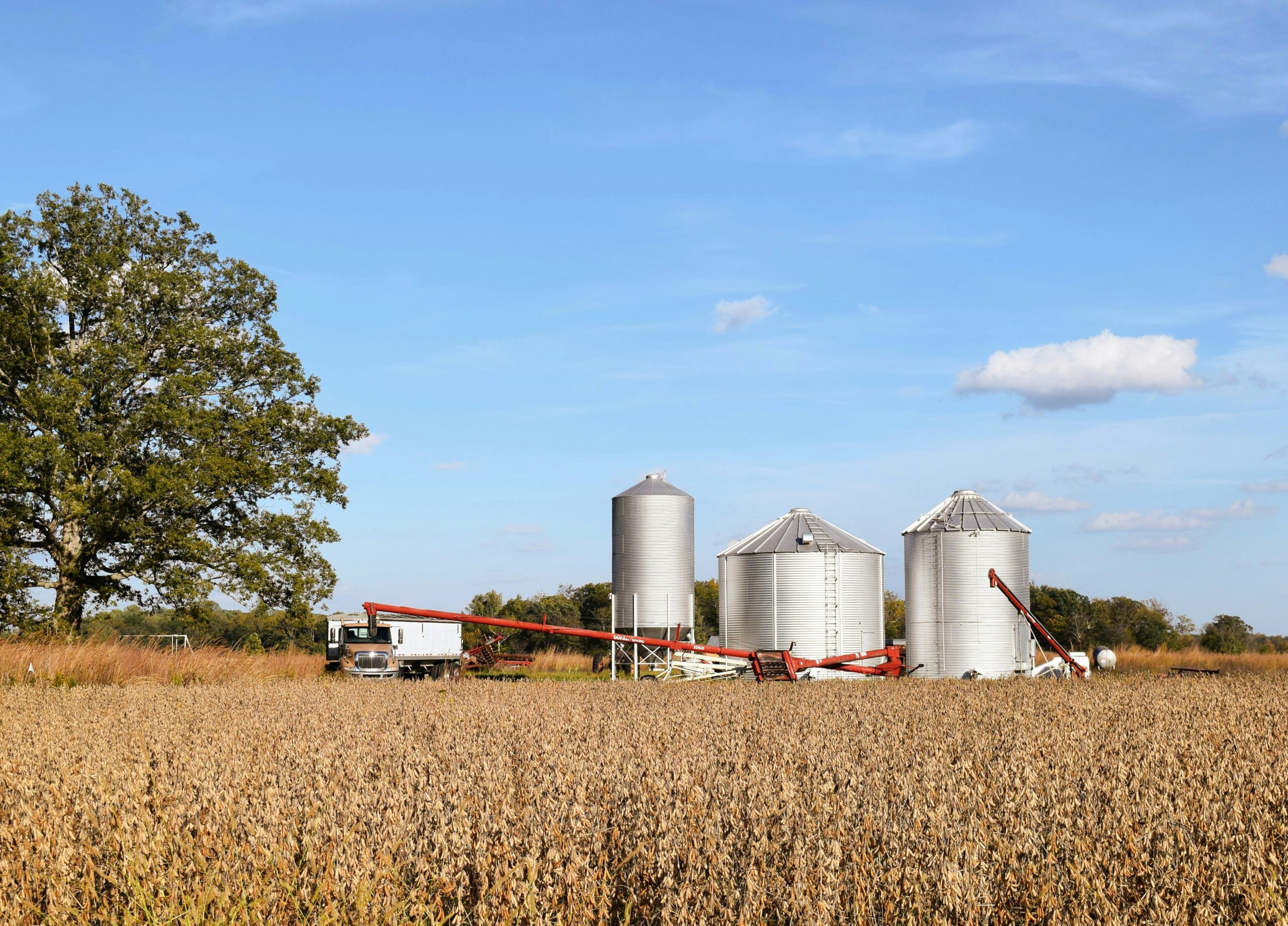
Grain storage management plays a critical role in maintaining crop quality, reducing losses, and protecting valuable agricultural resources after harvest. Farmers and storage operators face many challenges, including moisture changes, pest activity, temperature fluctuations, and mold growth. Without proper storage practices, harvested grain can quickly lose its nutritional value and market quality. Effective grain storage management strategies help ensure that crops remain safe, stable, and ready for distribution throughout the year.
Modern agriculture depends on more than simply storing grain in facilities. Successful grain preservation requires careful planning, regular monitoring, and the use of advanced storage solutions. By combining traditional knowledge with new technologies, farmers can improve grain protection, reduce waste, and maximize the value of every harvest.
Understanding the Importance of Grain Storage Management
Effective grain storage management is essential for protecting crops from environmental risks and biological threats. After harvesting, grain continues to interact with its surroundings, meaning changes in temperature, humidity, and air quality can directly affect its condition. Proper storage practices help control these factors and create a stable environment where grain can maintain its quality for longer periods.
Poor storage conditions can lead to significant financial losses. Moisture buildup can encourage mold growth, while inadequate ventilation can raise indoor temperatures in storage structures. In addition, insects and rodents can damage stored crops and create contamination risks. A well-managed storage system reduces these threats and supports better long-term crop protection.
Maintaining Proper Moisture Levels for Grain Protection
Moisture control is one of the most important parts of grain storage management. Grain with excessive moisture content is more likely to experience spoilage, fungal growth, and quality deterioration. Before storage, farmers should test moisture levels and ensure that harvested grain meets recommended standards for safe preservation.
Drying systems are often used to remove excess moisture before grain enters storage facilities. Proper drying helps prevent biological activity and improves storage stability. However, over-drying can also reduce grain quality, so maintaining the right balance is important. Regular moisture checks during storage help identify potential problems before they become serious.
Using Temperature Monitoring Systems for Better Storage Control
Temperature monitoring technology has become a valuable tool in modern grain storage management. Changes in grain temperature can indicate problems such as insect activity, moisture movement, or early signs of spoilage. By tracking temperature conditions, farmers can respond quickly and prevent larger losses.
Advanced storage facilities often use sensors and automated monitoring systems to collect real-time information. These tools allow operators to make informed decisions about ventilation, cooling, and grain movement. Consistent temperature management helps create a safer storage environment and extends the shelf life of stored crops.
Improving Ventilation and Airflow Inside Storage Facilities
Proper airflow is necessary for maintaining grain quality during storage. Without enough ventilation, heat and moisture can become trapped inside storage structures, creating conditions that support mold growth and insect development. A well-designed airflow system helps maintain balanced conditions throughout the grain mass.
Aeration systems are commonly used to move controlled amounts of air through stored grain. These systems help reduce temperature differences and prevent moisture migration. Regular inspections of ventilation equipment also ensure that airflow remains effective and storage facilities continue operating efficiently.
Protecting Stored Grain From Pests and Contamination
Pest management is a major part of effective grain storage management. Insects, rodents, and other unwanted organisms can cause serious damage to stored crops. These pests consume grain, reduce quality, and may introduce harmful contaminants that make products unsuitable for sale or consumption.
Preventive measures are often more effective than dealing with infestations after they occur. Cleaning storage areas before filling them, sealing entry points, and removing leftover grain can reduce pest risks. Regular inspections allow farmers to detect early warning signs and take appropriate action before damage spreads.
Implementing Digital Technology in Grain Storage Operations
Digital tools are transforming the way farmers manage stored crops. Smart sensors, cloud-based monitoring platforms, and automated control systems provide better visibility into storage conditions. These technologies allow operators to track important factors such as temperature, humidity, and grain quality from remote locations.
Data-driven grain storage management helps improve efficiency and reduce unnecessary costs. Instead of relying only on manual inspections, farmers can use real-time information to make faster decisions. Digital solutions also support better record-keeping, allowing operators to analyze storage performance and improve future practices.
Choosing the Right Storage Facilities for Long-Term Crop Preservation
The design and condition of storage facilities have a major impact on grain protection. Different types of grain may require different storage environments, so selecting the right structure is important. Metal bins, silos, and other modern storage systems offer different advantages depending on farm size, crop type, and storage goals.
Regular maintenance of storage structures helps prevent unexpected problems. Cracks, leaks, damaged seals, and worn equipment can create opportunities for moisture and pests to enter. By properly maintaining facilities, farmers can improve storage reliability and protect their investment in harvested crops.
Creating a Regular Grain Inspection and Management Routine
Consistent inspections are necessary for successful grain storage management. Even well-designed storage systems require regular attention to maintain ideal conditions. Farmers should monitor grain appearance, smell, temperature, and moisture levels to identify possible issues early.
A structured inspection routine helps prevent small problems from becoming major losses. Keeping accurate storage records also supports better decision-making by showing patterns over time. When farmers understand how storage conditions change, they can improve their methods and achieve stronger crop protection results.
Reducing Grain Losses Through Sustainable Storage Practices
Sustainable grain storage practices benefit both farmers and the environment. Reducing crop waste means fewer resources are needed to produce replacement food supplies. Efficient storage systems help preserve more harvested grain while lowering energy use and operational costs.
Energy-efficient equipment, improved facility designs, and careful resource management all contribute to sustainable storage operations. By focusing on prevention rather than correction, farmers can create storage systems that protect crops while supporting long-term agricultural productivity.