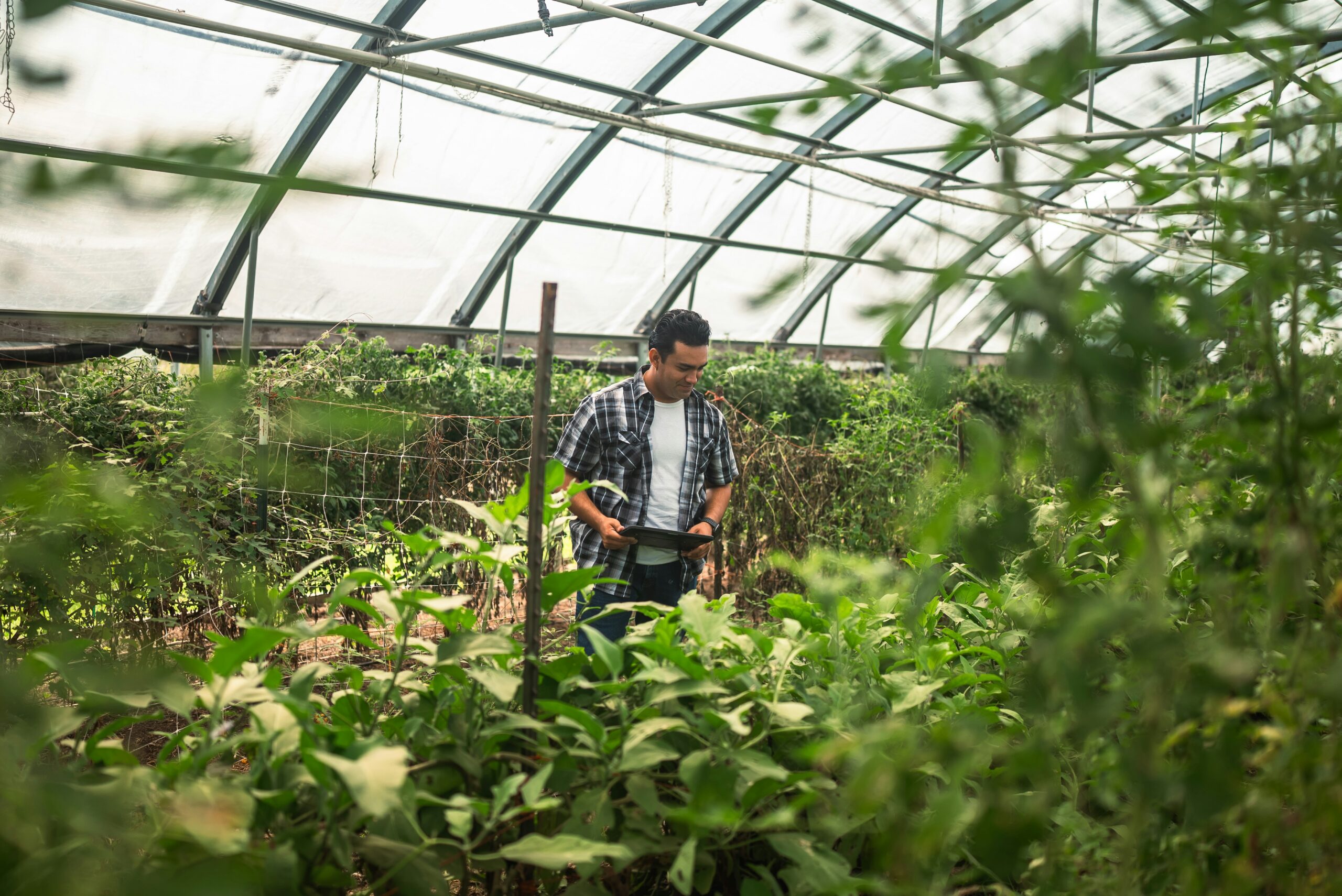
Agriculture stands at the center of feeding the world’s growing population, yet it faces increasing pressure from climate change, soil degradation, and resource constraints. Farmers today must find ways to produce more food while protecting the environment that makes farming possible. Sustainable agriculture provides a balanced approach by combining environmental care, economic stability, and long-term productivity. It allows farms to remain profitable without sacrificing the health of future generations.
Sustainable farming is not a single technique. It is a collection of practices that work together to improve efficiency, reduce waste, and strengthen resilience. From smarter water management to better soil conservation, farmers are discovering that responsible stewardship often leads to stronger harvests and healthier rural communities.
Restoring Soil as a Living Resource
Healthy soil is one of the most valuable assets on any farm. It provides nutrients, stores moisture, supports beneficial organisms, and creates the ideal environment for crops to develop strong root systems. When soil loses its organic matter through erosion or excessive cultivation, crop performance often declines.
Farmers can rebuild soil health by planting cover crops, applying compost, reducing unnecessary tillage, and rotating crops throughout the growing season. These methods improve soil structure, increase microbial activity, and help the land retain nutrients more effectively. Over time, healthier soil requires fewer external inputs while producing more reliable yields.
Smart Irrigation for Every Growing Season
Water conservation has become an essential part of modern agriculture. In many regions, unpredictable rainfall and extended dry periods make efficient irrigation more important than ever. Sustainable farming focuses on delivering water precisely where and when crops need it.
Drip irrigation systems reduce water loss by applying moisture directly to plant roots. Soil moisture sensors help farmers avoid overwatering, while rainwater collection systems provide additional water during dry conditions. Together, these technologies improve efficiency and lower operating costs while protecting valuable water supplies.
Crop Diversity Strengthens Farm Stability
Growing a wide variety of crops creates healthier farming systems than relying on a single crop year after year. Crop diversity reduces financial risk while supporting healthier soils and fewer pest problems.
Rotating grains, vegetables, legumes, and forage crops interrupts disease cycles and improves nutrient availability. Different plants contribute unique benefits to the soil, allowing farmers to maintain productivity naturally. Diverse farms are also better prepared to adapt when weather or market conditions change unexpectedly.
Precision Agriculture Improves Efficiency
Modern technology has transformed farming by giving producers access to detailed information about their fields. Precision agriculture allows farmers to manage individual areas of a farm based on actual conditions rather than applying the same treatment everywhere.
GPS equipment, drones, satellite imagery, and digital field mapping provide accurate data about soil health, crop growth, and irrigation needs. Farmers use this information to apply fertilizer, water, and crop protection products only where they are necessary. This reduces waste while increasing productivity and lowering production costs.
Supporting Nature Through Biodiversity
Healthy farms depend on balanced ecosystems. Birds, insects, pollinators, earthworms, and countless microorganisms contribute to successful crop production. Sustainable farming encourages biodiversity because these natural partners improve farm resilience.
Planting flowering borders, maintaining natural vegetation, and preserving wetlands create habitats for beneficial species. Pollinators increase fruit and seed production, while beneficial insects help control crop pests naturally. Biodiversity also improves ecosystem stability during changing environmental conditions.
Reducing Chemical Inputs Responsibly
Crop protection remains important for maintaining healthy harvests, but sustainable farming encourages careful use of agricultural chemicals. Rather than relying on routine pesticide applications, farmers use multiple strategies to manage pests effectively.
Integrated Pest Management combines regular crop monitoring, biological controls, resistant crop varieties, and cultural practices that discourage pest populations. Chemical treatments become a targeted solution instead of the first response. This balanced approach protects crops while reducing environmental impact.
Livestock and Crops Working Together
Mixed farming systems create valuable opportunities for sustainability. Livestock produce manure that returns nutrients to crop fields, reducing the need for synthetic fertilizers. Crop residues can also serve as animal feed rather than becoming waste.
Rotational grazing improves pasture health by allowing grasses to recover between grazing periods. Healthy pastures protect soil from erosion, improve water infiltration, and encourage healthy root growth. Well-managed livestock systems strengthen both crop production and environmental quality.
Reducing Food Loss Throughout Production
Producing food efficiently also means preventing unnecessary waste. Significant losses can occur during harvesting, transportation, storage, and processing if products are not handled carefully.
Improved storage facilities help preserve grain quality, while better refrigeration extends the freshness of fruits and vegetables. Farmers also find productive uses for imperfect crops through food processing, livestock feed, or composting. Reducing waste improves profitability while making better use of available resources.
Preparing Farms for Climate Uncertainty
Climate conditions continue to change across many agricultural regions. Farmers now face stronger storms, changing growing seasons, unpredictable rainfall, and periods of extreme heat. Sustainable farming helps farms adapt to these evolving challenges.
Healthy soils store more water during drought and absorb heavy rainfall more effectively during storms. Crop diversity spreads production risks, while conservation practices reduce erosion and protect valuable farmland. Farmers who invest in resilience today are better prepared for tomorrow’s uncertainties.
Education Drives Agricultural Innovation
Continuous learning plays a major role in sustainable agriculture. Farmers regularly evaluate new research, test improved practices, and share knowledge. This willingness to adapt encourages innovation across the agricultural industry.
Universities, agricultural organizations, extension services, and producer groups provide valuable education on soil conservation, precision farming, pest management, and climate adaptation. Practical knowledge helps farmers make informed decisions that improve both productivity and sustainability.
Building a Stronger Future Through Sustainable Farming
Sustainable agriculture demonstrates that environmental responsibility and profitable farming can work together. Protecting soil, conserving water, encouraging biodiversity, and adopting efficient technologies all contribute to healthier farms and stronger communities.
As global demand for food continues to grow, sustainable farming offers practical solutions that balance production with conservation. Every step toward healthier soil, smarter resource use, and stronger ecosystems helps secure the future of agriculture. By investing in sustainable practices today, farmers create productive landscapes that will continue providing food, economic opportunity, and environmental benefits for generations to come.