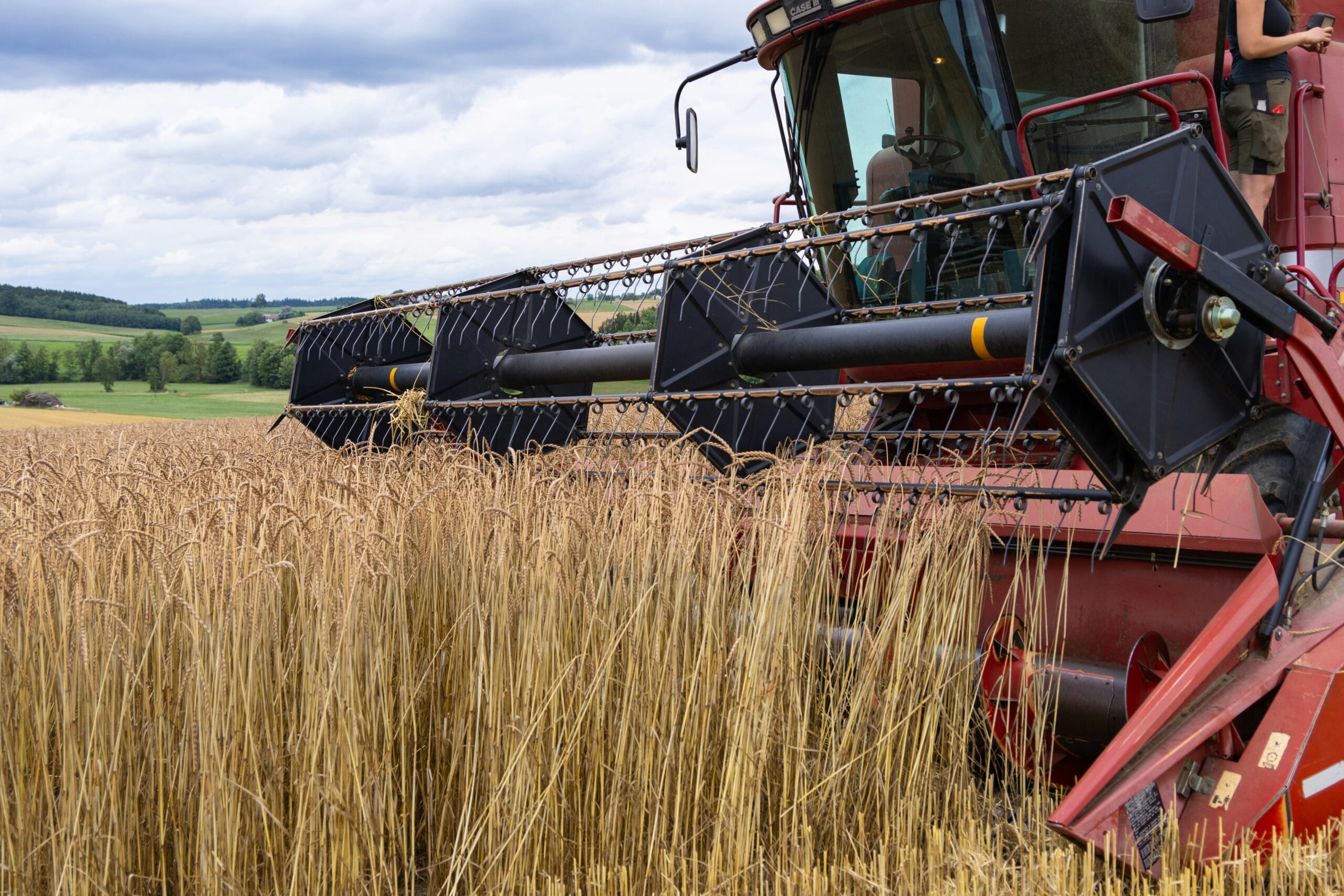
The grain supply chain serves as the backbone of modern agriculture. It connects farmers with processors, exporters, retailers, livestock producers, and consumers through a complex network of activities. While many people focus on crop production, the journey of grain does not end at harvest. Instead, grain moves through storage facilities, transportation systems, processing plants, and marketing channels before it reaches its final destination. Every step in this process influences agricultural profits and long-term farm success.
Today, farmers operate in a highly competitive environment where efficiency matters as much as productivity. A strong harvest creates opportunity, yet supply chain performance often determines how much income farmers actually earn. Therefore, understanding the grain supply chain helps producers make better decisions about storage, transportation, marketing, and investment. As agriculture continues to evolve, supply chain management remains a critical factor in improving profitability and maintaining market competitiveness.
Understanding the Grain Supply Chain
The grain supply chain encompasses all activities involved in moving grain from the farm to the final buyer. It begins with production and continues through harvesting, storage, transportation, processing, distribution, and sales. Each stage adds value and creates opportunities to increase efficiency.
Because grain markets operate on both local and global levels, the supply chain must support large volumes of product movement. Farmers depend on reliable infrastructure and business relationships to ensure their grain reaches buyers in good condition. Consequently, every link in the chain affects both market access and farm revenue.
Grain Production as the Starting Point
The grain supply chain starts in the field. Farmers invest significant resources into planting, fertilizing, irrigating, and protecting crops throughout the growing season. Their goal is to produce high-quality grain that meets market standards and buyer expectations.
Production decisions influence the rest of the supply chain. Crop quality, moisture levels, and harvest timing affect storage requirements and marketing opportunities. Therefore, successful supply chain management begins with strong production practices that support efficiency beyond the farm gate.
Harvest Efficiency and Profitability
Harvest serves as the bridge between production and marketing. Farmers must harvest crops at the right time to preserve quality and maximize value. Delays can reduce grain quality, increase losses, and create challenges for storage and transportation.
Efficient harvest operations help maintain product consistency and reduce handling costs. Furthermore, timely harvesting allows farmers to move grain into storage or market channels quickly. As a result, harvest management plays a key role in supporting agricultural profits.
The Importance of Grain Storage
Storage facilities provide critical support within the grain supply chain. Farmers use bins, silos, and elevators to protect grain from moisture, pests, and spoilage. Proper storage preserves quality and helps maintain market value.
Storage also creates marketing flexibility. During harvest, grain supplies often increase dramatically, which may place pressure on prices. Farmers who can store grain safely may choose to wait for stronger market conditions. Therefore, storage serves as both a quality management tool and a revenue strategy.
Quality Control Throughout the Supply Chain
Quality remains one of the most important factors in agricultural profits. Buyers often pay premiums for grain that meets specific standards related to moisture, cleanliness, weight, and appearance. Poor quality can reduce prices and limit market opportunities.
Farmers and supply chain partners must work together to protect grain quality at every stage. Careful handling, proper storage, and efficient transportation all contribute to maintaining value. Consequently, quality control supports stronger buyer relationships and higher earnings.
Transportation Connects Farms to Markets
Transportation forms one of the most important links in the grain supply chain. Trucks, railroads, barges, and shipping vessels move grain from farms to processors, exporters, and end users. Without reliable transportation, market access becomes limited.
Transportation costs directly affect profitability. Higher shipping expenses can reduce net revenue, while efficient logistics improve competitiveness. Therefore, farmers benefit when transportation systems operate smoothly and provide access to multiple marketing opportunities.
Grain Elevators and Their Role
Grain elevators serve as key hubs within the grain supply chain. They collect grain from farms, store it temporarily, and prepare it for shipment to larger markets. Many farmers rely on elevators as their primary connection to processors and exporters.
Elevators also provide valuable services such as grading, drying, and quality assessment. These services help standardize grain and support market transactions. As a result, elevators play an essential role in maintaining supply chain efficiency and supporting agricultural profits.
Processing Creates Additional Value
The grain supply chain extends beyond raw commodity sales. Processing facilities transform grain into products such as flour, animal feed, ethanol, cooking oils, and food ingredients. This stage creates additional economic value and supports a wide range of industries.
Processing demand can significantly influence grain prices and market opportunities. When processors require more grain, farmers may benefit from stronger local demand and better pricing. Therefore, processing activity remains an important factor in the overall profitability of the grain economy.
Market Access and Revenue Opportunities
Access to diverse markets helps farmers improve profitability. The grain supply chain connects local buyers, regional processors, export terminals, and international customers. These opportunities allow producers to choose the markets that best support their financial goals.
Greater market access often leads to stronger competition among buyers. When multiple purchasing options exist, farmers may secure better prices and more favorable contract terms. Consequently, an efficient supply chain creates valuable opportunities for revenue growth.
Technology Improves Supply Chain Performance
Technology continues to transform the grain supply chain. Digital platforms provide real-time information about inventory levels, transportation schedules, market prices, and weather conditions. This information helps farmers and supply chain partners make better decisions.
Advanced tracking systems also improve transparency and efficiency. Farmers can monitor grain movement and respond quickly to changes in market conditions. Therefore, technology supports stronger coordination across the supply chain and contributes to improved agricultural profits.