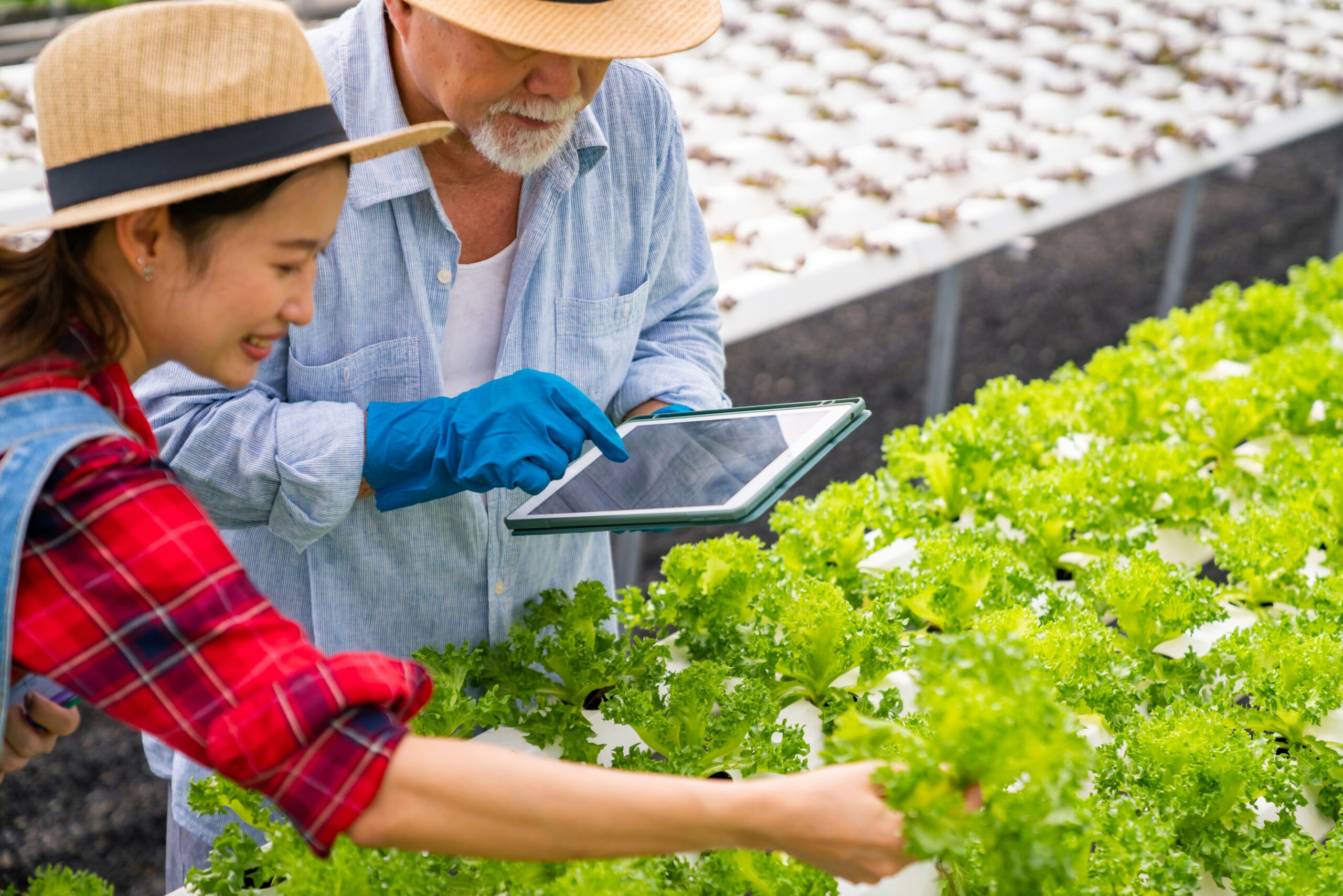
Modern agriculture faces constant pressure from climate change, rising production costs, and increasing global food demand. Because of these challenges, farmers must think beyond short-term gains and focus on long-term stability. Future-proof farming focuses on building systems that remain productive, profitable, and environmentally responsible over time. It combines smart planning, modern technology, and sustainable practices to protect both land and livelihood.
At the same time, farmers must adapt quickly to changing weather, market conditions, and resource availability. Therefore, long-term sustainability has become a core part of successful farming strategies. Instead of relying only on traditional methods, farmers now blend experience with innovation. As a result, agriculture is shifting toward a more balanced approach that supports both present needs and future generations.
Strengthening Soil Health for Long-Term Productivity
Soil health forms the foundation of every successful farm. Healthy soil supports strong crop growth, improves water retention, and reduces the need for chemical inputs. Because of this, farmers now place greater emphasis on maintaining soil quality through careful management practices. Crop rotation, cover cropping, and reduced tillage help preserve soil structure and fertility.
In addition, farmers use soil testing and digital monitoring tools to more accurately track nutrient levels. This allows them to apply fertilizer only where needed, reducing waste and improving efficiency. Over time, these practices help restore soil balance and increase productivity. Consequently, strong soil management ensures that farmland remains productive for many years.
Water Conservation and Smart Irrigation Practices
Water remains one of the most critical resources in agriculture, and managing it wisely plays a major role in sustainability. Many regions already face water shortages, so farmers must use every drop efficiently. Smart irrigation systems now help farmers monitor soil moisture and adjust watering schedules based on real-time data. As a result, crops receive the right amount of water without unnecessary waste.
Furthermore, water conservation strategies reduce long-term environmental stress on farming systems. Drip irrigation, rainwater harvesting, and soil moisture sensors all contribute to better water use. At the same time, these methods lower production costs and improve crop health. As a result, efficient water management supports both profitability and environmental responsibility.
Crop Diversity and Resilient Farming Systems
Crop diversity plays a major role in building farming systems that can withstand changing conditions. When farmers grow a variety of crops instead of relying on a single crop, they reduce risk and improve soil health. Different crops use nutrients differently, which helps maintain soil balance. Because of this, diversification strengthens long-term productivity.
In addition, crop diversity protects farmers from market and climate uncertainty. If one crop fails due to weather or price changes, others may still perform well. This balance reduces financial risk and increases stability. Therefore, diversified farming systems create stronger resilience against both environmental and economic challenges.
Technology as a Tool for Sustainable Farming
Technology now plays a key role in helping farmers build long-term sustainability. Digital tools allow farmers to collect and analyze data about soil conditions, weather patterns, and crop performance. Because of this information, farmers can make better decisions about planting, irrigation, and harvesting. Precision agriculture systems also help reduce waste by applying inputs more accurately.
At the same time, technology improves efficiency across farming operations. Automated equipment reduces labor requirements, while sensors continuously monitor crops. Drones and satellite imaging provide detailed insights into field conditions. As a result, farmers gain better control over their operations and reduce unnecessary resource use. Therefore, technology supports both productivity and sustainability goals.
Reducing Environmental Impact Through Better Practices
Sustainable farming requires careful attention to environmental impact. Farmers now focus on reducing greenhouse gas emissions, protecting biodiversity, and minimizing chemical use. Because agriculture directly affects natural ecosystems, responsible practices are essential for long-term land preservation. Methods such as integrated pest management help reduce reliance on harmful pesticides while still protecting crops.
In addition, sustainable farming encourages the use of renewable resources and eco-friendly materials. Many farms now adopt energy-efficient equipment and renewable energy sources such as solar power. These changes reduce environmental harm while lowering long-term operational costs. Consequently, environmentally responsible practices benefit both farmers and the planet.
Financial Planning for Long-Term Stability
Future-proof farming also depends on strong financial planning. Farmers face unpredictable conditions, including market fluctuations, weather events, and rising input costs. Therefore, careful budgeting and risk management strategies are essential. Crop insurance, savings planning, and diversified income sources help protect farmers during uncertain times.
Moreover, farmers who invest in long-term improvements often see better financial outcomes. Upgrading equipment, improving soil health, and adopting technology may require upfront costs, but they often lead to higher efficiency and lower long-term expenses. As a result, financial planning plays a critical role in building a stable and sustainable farming business.
Climate Adaptation and Risk Management
Climate change continues to create new challenges for agriculture, including extreme weather, shifting growing seasons, and unpredictable rainfall. Because of these changes, farmers must adapt their strategies to reduce risk. Climate-resilient farming practices help protect crops and maintain productivity even under difficult conditions.
In addition, farmers now use climate data and forecasting tools to plan more effectively. Weather predictions help guide planting schedules and irrigation decisions. At the same time, improved crop varieties designed for drought or heat resistance offer additional protection. Consequently, climate adaptation strengthens farming systems against long-term environmental uncertainty.
Building Strong Agricultural Communities
Sustainability does not depend solely on individual farmers. Strong agricultural communities also play a key role in long-term success. Farmers who share knowledge, resources, and technology create stronger support networks. Because of this cooperation, communities can respond more effectively to challenges such as market changes or environmental disasters.
Furthermore, agricultural education and training programs help farmers stay up to date on new practices and technologies. When farmers learn from each other, they improve efficiency and innovation across the entire region. As a result, community collaboration strengthens the foundation of sustainable agriculture.
The Role of Innovation in Future Farming
Innovation continues to shape the future of agriculture in powerful ways. Researchers and technology companies develop new tools that improve productivity while reducing environmental impact. Artificial intelligence, robotics, and biotechnology all contribute to more efficient farming systems. Because of these advancements, farmers can produce more food with fewer resources.
At the same time, innovation must remain practical and accessible. Farmers need solutions that work in real-world conditions and fit their budgets. Therefore, successful innovation focuses on usability, affordability, and long-term value. As technology continues to evolve, it will play an even larger role in building sustainable farming systems.
Education and Knowledge Sharing in Agriculture
Education remains essential for future-proof farming. Farmers who stay informed about new techniques and technologies make better long-term decisions. Training programs, workshops, and digital learning platforms help farmers develop new skills and improve farm management practices. Because agriculture continues to change rapidly, ongoing education ensures that farmers remain competitive and adaptable.
In addition, knowledge sharing between farmers strengthens the entire industry. When farmers exchange ideas and experiences, they help each other solve problems more effectively. This collaboration encourages innovation and improves overall productivity. Therefore, education and communication support long-term agricultural sustainability.
The Future of Sustainable Farming Systems
The future of agriculture depends on balancing productivity with environmental responsibility. Farmers must continue producing enough food to meet global demand while protecting natural resources for future generations. Because of this, sustainable farming strategies will remain essential for long-term success.
At the same time, technology, innovation, and community cooperation will continue shaping agricultural development. Farmers who adopt flexible and forward-thinking strategies will be better prepared for future challenges. As a result, agriculture will become more efficient, more resilient, and more sustainable over time.