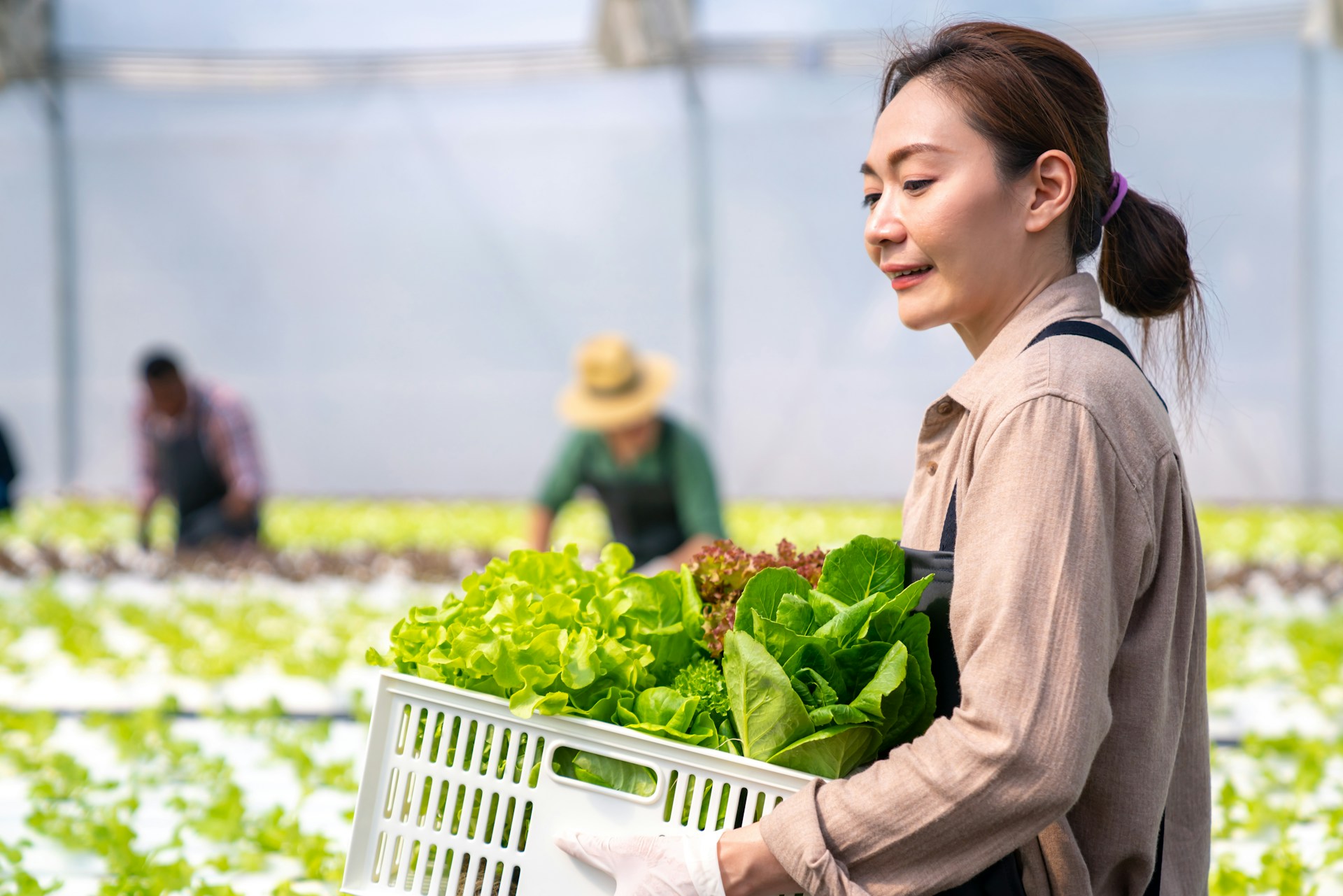
Agriculture is entering a new era where innovation and responsibility must go hand in hand. Farmers today face increasing pressure from climate change, resource limitations, and rising food demand. Because of these challenges, traditional farming methods are no longer enough to ensure long-term success. Instead, farmers are turning to smarter and more sustainable approaches that protect both productivity and the environment. With the rise of climate-smart agriculture methods, farming is becoming more efficient, resilient, and prepared for the future.
Why Modern Farming Needs a Smarter Approach
Farming has always depended on natural systems, but those systems are now under stress. Unpredictable weather, soil degradation, and water shortages are affecting crop production worldwide. Therefore, farmers must adopt new strategies that help them adapt while maintaining output.
Moreover, smarter farming emphasizes the wise use of resources. It encourages farmers to analyze data, reduce waste, and improve efficiency. This approach not only increases yields but also protects the environment. As a result, farms become more stable and better able to handle future challenges.
Key Elements of Sustainable Agriculture
Sustainable agriculture is built on practices that balance productivity with environmental care. One of the most important elements is soil management. Healthy soil supports strong crops and reduces the need for harmful chemicals. Farmers use techniques such as crop rotation and organic inputs to maintain soil fertility.
In addition, water management plays a critical role. Efficient irrigation systems help conserve water while ensuring crops receive enough moisture. Furthermore, sustainable farming promotes biodiversity. By growing a variety of crops, farmers can reduce risks and improve ecosystem health.
These elements work together to create farming systems that are both productive and environmentally friendly. Over time, they help ensure long-term agricultural success.
Soil Regeneration as a Foundation for Growth
Healthy soil is essential for sustainable agriculture. Without it, crops cannot grow efficiently. Therefore, farmers are focusing more on soil regeneration practices that restore and maintain soil quality.
Techniques such as cover cropping and reduced tillage help protect soil structure. These methods prevent erosion and improve water retention. In addition, adding organic matter supports beneficial microorganisms that enhance soil fertility.
Over time, these practices lead to stronger and more productive soil. This not only improves crop yields but also supports environmental sustainability. As a result, soil regeneration is becoming a key focus in modern farming.
Water Conservation in a Changing Climate
Water scarcity is becoming a serious issue in many farming regions. Therefore, efficient water use is essential for sustainable agriculture. Farmers are adopting methods that reduce waste and improve water management.
Drip irrigation systems deliver water directly to plant roots, minimizing loss. In addition, rainwater harvesting helps capture and store water for future use. Monitoring tools also allow farmers to track soil moisture and avoid overwatering.
By using water more efficiently, farmers can protect this valuable resource and ensure long-term productivity. This is especially important as climate conditions continue to change.
The Role of Innovation in Sustainable Farming
Innovation is driving major changes in agriculture. Farmers now have access to advanced tools that improve decision-making and efficiency. Technologies such as drones, sensors, and data platforms allow farmers to monitor crops and soil conditions in real time.
For example, smart irrigation systems adjust water usage based on weather and soil data. This reduces waste and improves crop health. In addition, automated machinery increases accuracy and reduces labor costs.
Amid these advancements, regenerative farming techniques are gaining attention for their ability to restore natural systems while improving productivity. These techniques focus on rebuilding soil health, increasing biodiversity, and reducing environmental impact. As a result, they offer a powerful solution for sustainable farming.
Reducing Environmental Impact Through Smart Practices
Sustainable farming aims to reduce environmental harm while maintaining productivity. One way to achieve this is by minimizing the use of chemical inputs. Farmers are increasingly turning to natural alternatives such as compost and biological pest control.
In addition, integrated pest management combines different strategies to control pests without excessive chemical use. This approach protects crops while maintaining ecosystem balance.
Furthermore, reducing emissions and conserving energy are becoming important goals. By adopting cleaner technologies and practices, farmers can lower their environmental footprint. This supports a healthier planet and more sustainable agriculture.
Building Resilience in Farming Systems
Resilience is a key factor in modern agriculture. Farmers must be able to adapt to changing conditions and unexpected challenges. Sustainable farming helps build systems that can withstand these pressures.
Diversification is one effective strategy. By growing different crops, farmers reduce the risk of total loss. In addition, strong soil and efficient water use help crops survive difficult conditions.
Moreover, knowledge sharing and community support are important. Farmers who collaborate and learn from each other can improve their practices. This creates stronger and more resilient farming systems.
The Future of Smart and Sustainable Farming
The future of agriculture depends on innovation and sustainability. As technology continues to evolve, farmers will have more tools to improve efficiency and reduce environmental impact. At the same time, awareness of sustainability will continue to grow.
Governments and organizations are supporting these changes through policies and incentives. This encourages farmers to adopt new methods and invest in better systems. As a result, sustainable farming is expected to expand globally.
Ultimately, the goal is to create a farming system that meets current needs while protecting future resources. This requires a balance between productivity, innovation, and environmental care.
Growing a Resilient Agricultural Future
Sustainable farming offers a path toward a stronger and more reliable agricultural system. By combining smart technology, responsible practices, and environmental awareness, farmers can improve productivity while protecting natural resources. These efforts not only benefit individual farms but also support global food security. As agriculture continues to evolve, sustainable food production systems will play a crucial role in building a future that is both productive and environmentally balanced.