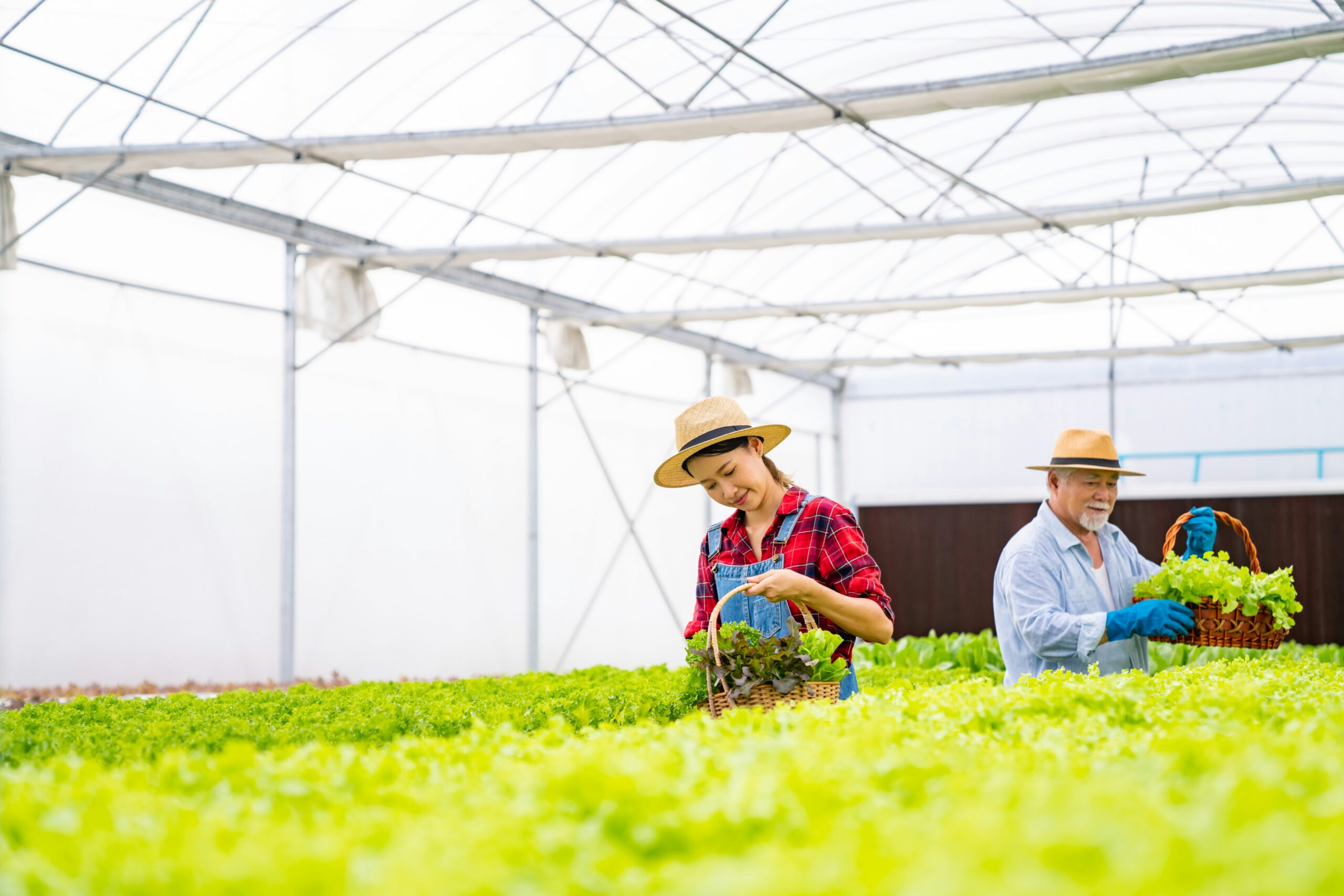
Eco-friendly farming is transforming modern agriculture by offering practical solutions that protect the environment while improving productivity. As climate concerns grow, farmers now adopt eco-friendly farming practices that reduce harm and increase efficiency. These approaches focus on soil health, water conservation, and natural pest control methods. Moreover, eco-friendly farming supports long-term sustainability and helps farmers stay profitable. Because of these benefits, more growers are shifting toward greener practices. This article explores how eco-friendly farming works, why it matters, and how it creates a better future for sustainable food production.
Building Healthy Soil for Long-Term Productivity
Healthy soil is the foundation of eco-friendly farming, and it directly affects crop success. Farmers improve soil by adding compost, planting cover crops, and rotating crops regularly. As a result, the soil becomes rich in nutrients, supporting stronger plant growth. In addition, these methods reduce the need for chemical fertilizers, which often damage the environment.
Furthermore, living soil contains beneficial organisms that break down organic matter. These microbes slowly release nutrients, helping plants grow steadily. Therefore, crops develop deeper roots and are better able to withstand stress. Over time, this approach creates a balanced system that improves both yield and sustainability.
Conserving Water with Efficient Farming Methods
Water conservation is essential in eco-friendly farming, especially in areas facing drought or irregular rainfall. Farmers use drip irrigation systems to deliver water directly to plant roots. Consequently, water waste decreases, and plants receive consistent moisture. This method also reduces evaporation and runoff.
In addition, farmers use rainwater harvesting and mulching to retain soil moisture. Mulch protects the ground from heat and slows water loss. As a result, crops stay hydrated longer without extra irrigation. These strategies show how eco-friendly farming uses resources wisely while maintaining strong crop growth.
Natural Pest Control for Healthier Crops
Eco-friendly farming reduces reliance on harmful chemicals by using natural pest control methods. Farmers introduce beneficial insects such as ladybugs and spiders to manage pests. As a result, crops stay protected without harming the ecosystem. This approach also prevents chemical buildup in the soil.
Moreover, farmers use crop rotation and companion planting to disrupt pest cycles. These methods make it harder for pests to spread and damage crops. Therefore, farmers maintain healthy plants while protecting the environment. Eco-friendly farming creates a balanced system in which nature helps regulate itself.
Promoting Biodiversity for Farm Resilience
Biodiversity strengthens eco-friendly farming systems by creating a natural balance. Farmers grow different crops and maintain habitats for wildlife. As a result, farms become more resilient to disease and climate change. Diverse crops also reduce the risk of total crop failure.
In addition, biodiversity attracts pollinators such as bees and butterflies. These pollinators increase crop yields and improve quality. Therefore, farmers benefit from natural support without extra costs. By promoting biodiversity, eco-friendly farming builds a strong, stable ecosystem.
Reducing Carbon Footprint Through Smart Practices
Eco-friendly farming plays a key role in reducing greenhouse gas emissions. Farmers limit synthetic fertilizer use and adopt organic alternatives. As a result, carbon emissions decrease, and soil health improves. This shift helps combat climate change while maintaining productivity.
Furthermore, practices such as no-till farming reduce soil disturbance and store more carbon in the soil. This method keeps nutrients in place and prevents erosion. Therefore, eco-friendly farming supports both environmental protection and long-term agricultural success.
Using Renewable Energy for Sustainable Growth
Renewable energy is becoming an important part of eco-friendly farming. Farmers use solar and wind power to run irrigation systems and equipment. Consequently, they reduce dependence on fossil fuels and lower operating costs. This change supports cleaner and more efficient farming.
At the same time, renewable energy systems offer long-term benefits. Although initial costs may be higher, savings increase over time. Therefore, many farmers see renewable energy as a smart investment. Eco-friendly farming combined with clean energy creates a sustainable path forward.
Supporting Local Food Systems and Communities
Eco-friendly farming often connects closely with local food systems. Farmers sell produce at local markets, reducing transportation costs and supporting nearby communities. As a result, consumers receive fresh and healthy food. This direct connection also strengthens trust between farmers and buyers.
Moreover, local farming reduces environmental impact by reducing fuel use. Food travels shorter distances, which helps lower emissions. Therefore, eco-friendly farming benefits both the environment and local economies. It creates a more resilient and connected food network.
Improving Crop Quality and Nutritional Value
Eco-friendly farming not only improves yields but also enhances crop quality. Natural growing methods help plants develop better flavor and higher nutrient content. As a result, consumers have access to healthier food options. This benefit increases demand for sustainably grown products.
In addition, avoiding chemical inputs reduces the presence of harmful residues in food. Farmers produce cleaner and safer crops that meet consumer expectations. Therefore, eco-friendly farming supports both health and sustainability. This approach aligns with the growing demand for organic and natural foods.
Strengthening Farm Economics with Sustainable Practices
Eco-friendly farming helps farmers reduce costs while increasing long-term profits. By using natural inputs and conserving resources, farmers spend less on chemicals and water. As a result, profit margins improve over time. This makes farming more financially stable.
Furthermore, sustainable products often sell at higher prices. Consumers are willing to pay more for eco-friendly goods. Therefore, farmers gain better income opportunities. Eco-friendly farming supports both economic growth and environmental responsibility.
Adapting to Climate Change with Resilient Methods
Climate change creates new challenges, but eco-friendly farming offers effective solutions. Farmers use techniques like crop rotation, soil management, and water conservation to adapt. As a result, they maintain stable production even during extreme weather conditions.
In addition, these methods reduce environmental damage and improve resilience. Farms become better prepared for droughts, floods, and temperature changes. Therefore, eco-friendly farming ensures long-term sustainability. It helps secure food production for future generations.