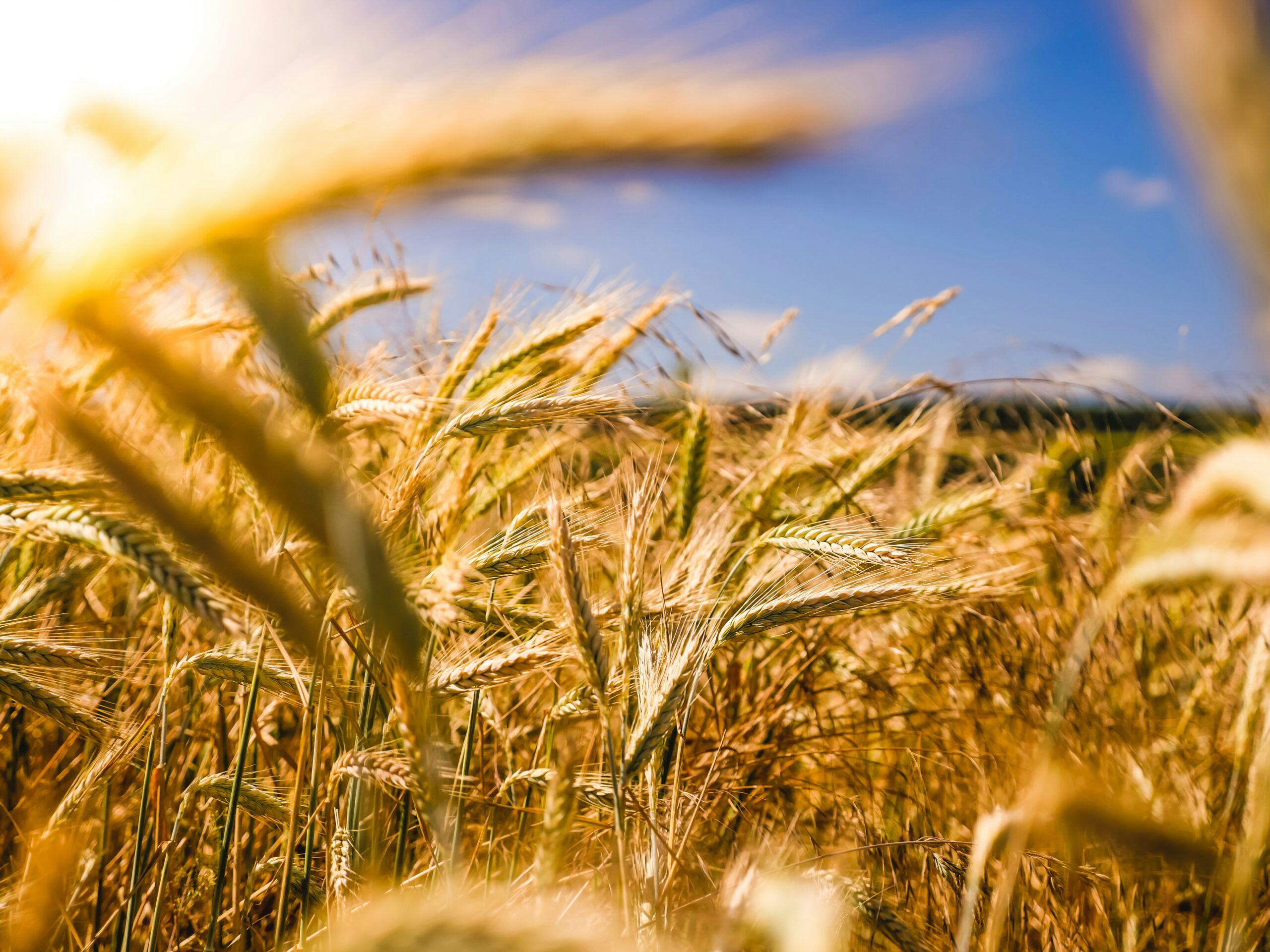
Grains sit at the center of the global food system, even if people rarely notice it. Wheat, rice, corn, and barley move through a complex network before they reach plates. Therefore, understanding this journey helps explain food prices, trade decisions, and farmer income.
In many countries, grain production economics influences both rural livelihoods and urban food costs. For example, a change in wheat yield in the United States can affect bread prices in other parts of the world. Moreover, global demand continues to grow, which keeps pressure on supply chains.
As a result, farmers, traders, and processors all play connected roles. Each step adds value, but it also adds cost and risk.
Planting decisions that set the economic chain in motion
Every grain journey begins with a simple decision: what to plant and when. Farmers study weather patterns, soil conditions, and market prices before choosing which crops to grow. Therefore, planting decisions directly shape future profits.
In the Midwest, corn-soybean rotation dominates many farms. However, farmers adjust acreage each year based on price forecasts. In addition, global demand trends influence what gets planted. When wheat prices rise, more farmers shift land toward wheat production.
This stage also depends on agricultural commodity markets, which send price signals months before harvest. Consequently, farmers often make financial decisions long before they see actual crops in the field.
Growing crops under pressure and opportunity
Once planting begins, farmers focus on protecting crops and maximizing yield. Weather is now the biggest factor, but technology helps reduce uncertainty.
Farmers use weather apps, soil sensors, and satellite data to monitor crop health. Moreover, irrigation systems help manage water stress during dry periods. A corn farmer in Nebraska, for instance, may adjust irrigation timing based on weekly rainfall forecasts.
At this stage, grain yield optimization becomes the main goal. Higher yields often lead to better profits, but only if input costs stay under control. Therefore, farmers constantly balance fertilizer use, pest control, and labor costs.
Harvest timing and its impact on profit margins
Harvesting plays a critical role in determining final profit. If farmers harvest too early, they risk lower quality. However, if they wait too long, weather damage can reduce yield.
Therefore, timing becomes both a science and an art. Many farmers now use moisture sensors to decide the best harvest window. In addition, combine harvesters equipped with monitoring systems help improve efficiency.
This stage directly influences grain quality grading systems, which determine market price. Higher-quality grain sells at better rates, so precision during harvest matters greatly. As a result, even small improvements in timing can significantly affect income.
Storage systems that protect value after harvest
After harvest, grain does not reach consumers immediately. Instead, it enters storage systems that protect quality and prevent spoilage.
Farmers use silos, warehouses, and controlled environments to maintain grain condition. Moreover, proper temperature and moisture control reduce losses from mold or pests. A small storage error can lead to major financial loss.
In addition, post-harvest grain management ensures a stable supply throughout the year. Since demand continues even after harvest, storage enables markets to function smoothly. Therefore, storage acts as a bridge between production and trade.
Transportation networks that move grain across markets
Once stored, grain enters a large transportation system. Trucks, trains, and ships move products from farms to processing plants and export hubs.
This stage depends heavily on logistics efficiency. For example, rail networks in the United States move large volumes of corn and wheat to ports for export. Meanwhile, shipping routes connect global buyers and sellers across continents.
Furthermore, the grain supply chain logistics affect pricing and availability. Delays in transportation can increase costs, while efficient movement helps stabilize markets. Therefore, infrastructure plays a key role in profitability.
Processing that turns raw grain into usable products
Before grains reach consumers, they go through processing. Mills convert wheat into flour, corn into meal, and rice into polished grains. This stage adds significant value to raw agricultural products.
Processing plants use advanced machinery to improve quality and consistency. In addition, food safety standards ensure that products meet consumer expectations. A flour mill in Europe, for instance, processes thousands of tons daily for bakeries and food manufacturers.
At this point, grain processing value chains become essential. Each transformation step increases product value, thereby increasing profit potential. Therefore, processors sit at a critical point in the economic cycle.
Market trading and price formation
Grain prices do not stay fixed. Instead, they fluctuate with supply, demand, weather, and global trade conditions. Traders and commodity exchanges help determine these prices daily.
Farmers often sell grain through contracts or spot markets. Moreover, large buyers like food companies and exporters influence demand levels. For example, a drought in one region can quickly raise global wheat prices.
In addition, agricultural commodity trading plays a major role in stabilizing farmers’ incomes and ensuring supply for buyers. Futures contracts help reduce risk, allowing producers to lock in prices before harvest.
Consumer demand and the final link in the chain
The grain economy ends, but also begins again, with consumers. Bread, pasta, cereal, and animal feed all depend on grain supply. Therefore, consumer habits influence the entire system.
When demand for healthier or organic products increases, farmers adjust their production methods. In addition, food companies respond by changing sourcing strategies. A rise in demand for whole grain products, for example, encourages more wheat production focused on quality rather than quantity.
Moreover, food consumption trends shape long-term agricultural planning. As populations grow and diets change, the grain economy continues to evolve. Therefore, every purchase at the store supports the farm.
Connecting every stage of the grain journey
The grain economy works like a connected system, where each stage depends on the one before it. From planting decisions to consumer demand, every step influences profit, supply, and food availability.
Therefore, understanding this chain helps farmers make better decisions and helps consumers appreciate where their food comes from. In addition, it highlights the importance of efficiency, technology, and global cooperation.
Ultimately, grains do more than feed people. They connect economies, shape markets, and support livelihoods worldwide. As a result, the journey from production to profit remains one of the most important systems in global agriculture.