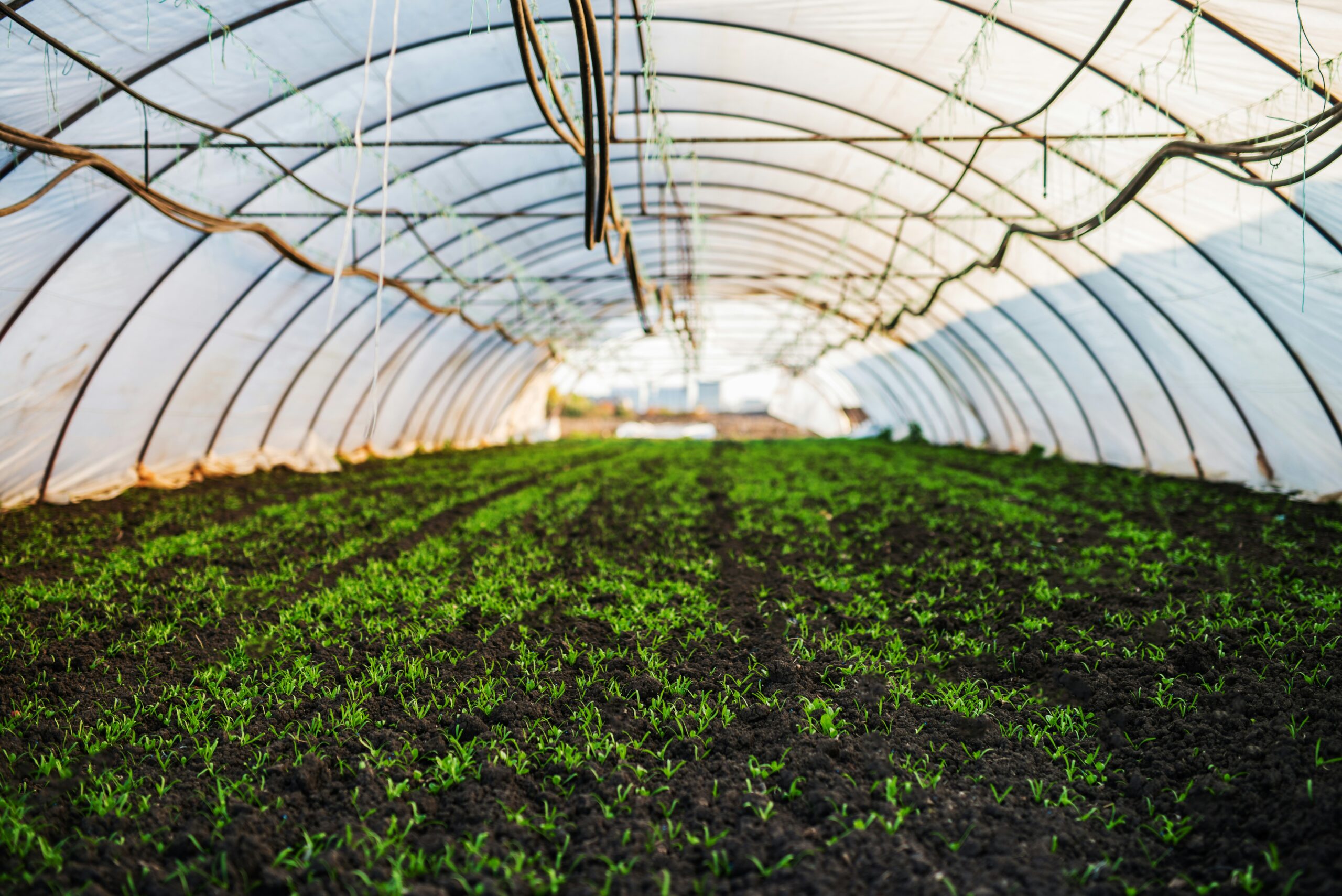
Agriculture is no longer just about plowing, planting, and harvesting. Technology is entering the fields, changing how crops are grown and managed. Smart farming uses sensors, data, and automated machinery to help farmers make faster, smarter decisions. Farms are becoming more precise, productive, and environmentally friendly.
Farmers now have access to information that was unimaginable a decade ago. They can monitor soil moisture, crop health, and weather conditions from a mobile device. This instant insight allows them to adjust irrigation, fertilizer, and pest management to maximize yield. Digital farming is no longer a future idea; it is happening right now.
Precision Agriculture in Action
Precision agriculture is about giving each part of the field exactly what it needs. Sensors in the soil and on plants collect data about nutrients, water, and growth patterns. Farmers can act on this data to improve crop performance. Every decision is based on real information, not guesswork.
This approach saves money and reduces waste. Fertilizers and water are applied only where necessary, reducing costs and protecting the environment. With precision agriculture, crops are healthier, and yields are higher, making farms more efficient and profitable.
Smart Irrigation for Water Efficiency
Water is a critical resource in farming, and overuse can hurt both crops and the environment. Smart irrigation systems use real-time data to deliver plants the exact amount of water they need. Sensors measure soil moisture and weather conditions, and the system automatically adjusts the water supply.
Farmers can control these systems remotely, making it easy to respond to changing weather or crop needs. This technology prevents overwatering and ensures crops get enough hydration. Smart irrigation supports sustainable farming while keeping plants strong and productive.
Drones and Aerial Crop Monitoring
Drones are transforming how farmers watch over their fields. They fly over large areas and capture detailed images of crops. These images show plant health, nutrient deficiencies, and early signs of disease. Farmers can act before small problems turn into big losses.
Using drones saves time and labor. Instead of walking miles of fields, farmers can get an aerial view in minutes. They can identify areas that need attention, adjust treatments, and improve overall efficiency. Drones make crop management faster, more accurate, and less stressful.
Automation and Robotic Assistance
Machines are now taking over repetitive farm tasks. Robots can plant seeds, spray crops, and even harvest produce with precision. This reduces the need for manual labor and speeds up operations. Farmers can focus on managing their farm rather than doing physical tasks all day.
Automation also improves consistency. Robots perform tasks consistently, leading to higher-quality crops. Errors are reduced, and farms can maintain higher productivity. With labor shortages in many regions, automation is a critical tool for modern agriculture.
Artificial Intelligence and Predictive Decisions
Artificial intelligence is helping farmers make better decisions with less effort. AI programs can analyze large amounts of data from sensors, drones, and weather reports. They can predict crop growth, spot potential problems, and recommend solutions before issues appear.
This predictive power allows farmers to act proactively. They can plan planting, irrigation, and fertilization based on the data rather than reacting to problems after they occur. AI increases efficiency, reduces losses, and makes farming more precise and reliable.
Sustainable Farming Through Technology
Modern farming is focusing on sustainability, and technology is key. Smart systems reduce chemical use, save water, and manage resources carefully. Farmers can grow more food while protecting the environment and conserving soil health.
Technology also helps maintain long-term productivity. By tracking crop rotation, nutrient levels, and soil conditions, farmers can make better decisions for future seasons. Sustainable farming with smart solutions ensures that agriculture can meet the growing demand for food without harming the planet.
The Future of Smart Farming
The future of agriculture will be driven by technology. IoT devices, big data, and machine learning will make farms even smarter and more efficient. Farmers will have access to insights that help them maximize yield, reduce waste, and protect the environment.
Smart farming is no longer optional. It is becoming a requirement to stay competitive and sustainable. Innovation is changing every part of agriculture, from planting seeds to delivering produce to the market. With technology, farms will be more productive, more resilient, and better able to feed the world in the years to come.