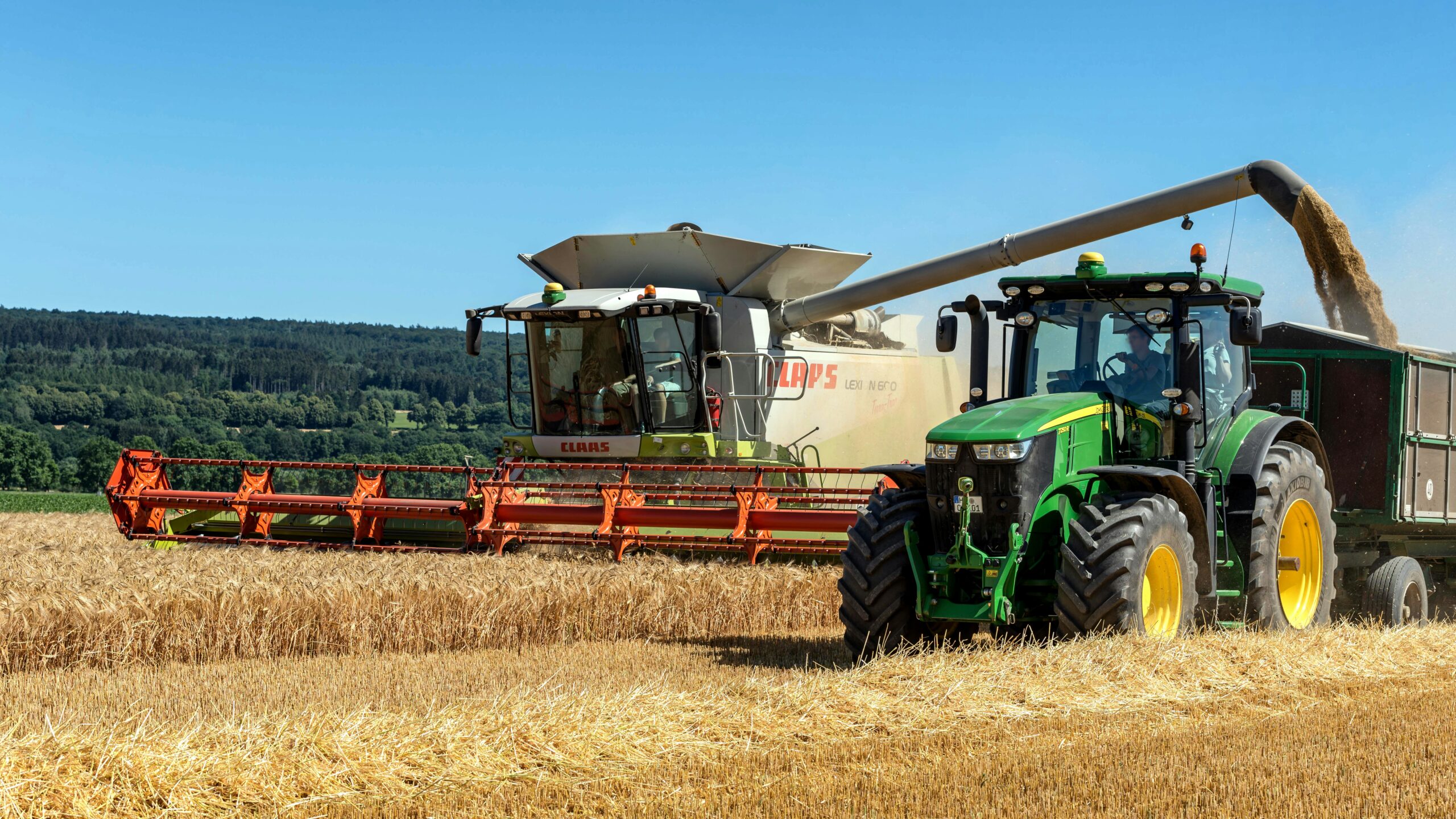
Farming is entering a transformative phase. Rising populations, climate challenges, and limited resources demand more than traditional methods can provide. Modern agriculture must leverage digital technology to remain productive and sustainable. Farmers now rely on data, automation, and innovative practices to improve efficiency and resilience. By adopting technology-driven strategies, farms can increase yields, reduce waste, and prepare for a future where food demand continues to grow exponentially.
Precision Farming for Maximum Efficiency
Precision farming has redefined how crops are cultivated. Sensors, GPS, and satellite imaging allow farmers to monitor soil health, water levels, and crop growth in real time. This insight ensures that water, fertilizers, and pesticides are applied exactly where and when they are needed. By targeting resources efficiently, farmers reduce costs and environmental impact while improving yields. Early detection of nutrient deficiencies or pest infestations enables timely interventions that protect crops before issues escalate, creating healthier, more productive fields.
Automation and Robotics on the Farm
Automation is revolutionizing day-to-day farm operations. Robotic machinery can plant seeds, irrigate fields, and harvest crops with precision and consistency. Drones provide detailed aerial imagery, revealing patterns in soil, water distribution, and plant development that are difficult to observe from the ground. By reducing human error and labor costs, automation frees farmers to focus on planning, innovation, and decision-making. Combining human insight with robotic precision increases efficiency and strengthens farm performance.
Data Analytics for Smarter Decisions
Data analytics is central to modern agriculture. Farmers track soil composition, weather trends, and crop performance to make informed decisions about planting, irrigation, and resource use. Predictive modeling anticipates potential challenges, such as droughts and pest outbreaks. Proactive, data-driven decision-making ensures crops grow optimally while reducing risk. Farms that leverage analytics gain a competitive edge by being adaptive, responsive, and efficient in the face of changing environmental conditions.
Soil Health as the Cornerstone
Healthy soil underpins long-term farm productivity. Technology enables farmers to continuously monitor moisture levels, nutrient content, and microbial activity. Techniques such as cover cropping, crop rotation, and minimal tillage maintain fertility while promoting sustainable practices. Strong soil enhances water retention, supports robust roots, and reduces reliance on synthetic fertilizers. Maintaining soil health ensures consistent yields while preserving the land for future generations.
Smart Water Management
Water is a critical resource for farming. Smart irrigation systems deliver water precisely where it is needed, guided by soil sensors and weather forecasts. Drip irrigation and rainwater harvesting further conserve water while supporting crop health. Efficient water use enhances environmental sustainability and helps farms maintain productivity during droughts or periods of fluctuating rainfall. Proper water management ensures crops remain healthy and resource use remains responsible.
Reducing Environmental Footprints
Modern agriculture prioritizes sustainability alongside productivity. Farmers adopt renewable energy, integrated pest management, and biodiversity practices that protect ecosystems. Reducing chemical inputs and maintaining crop diversity preserves soil health and safeguards the environment. Technology helps farms optimize operations while minimizing ecological impact, creating a balance between profitability and responsible stewardship of natural resources.
Resilient Crops for an Uncertain Future
Resilient crops are essential for meeting global food demands. Farmers develop varieties that are resistant to pests, diseases, and climate extremes. They combine traditional breeding techniques with biotechnology to enhance reliability and yield. Crop diversification spreads risk, ensuring stable production even under adverse conditions. Innovative methods such as vertical farming, hydroponics, and controlled-environment agriculture expand capacity and improve efficiency. Resilient crops protect food security and strengthen farm profitability.
Market Connectivity and Strategic Planning
Digital platforms connect farms with markets worldwide. Real-time pricing, supply chain data, and consumer demand forecasts allow farmers to plan production efficiently. This connectivity reduces waste, ensures timely delivery, and helps farmers respond to market trends. Linking technology to market insights creates a system that maximizes profit while supporting sustainable growth and economic stability.
Collaboration and Knowledge Networks
Collaboration accelerates innovation in agriculture. Farmers, researchers, and policymakers share expertise, test new solutions, and scale successful practices. Partnerships provide access to technology, training, and financing that improve farm performance. Knowledge sharing ensures that innovative methods spread across regions, creating resilient agricultural networks—collaborative approaches foster efficiency, productivity, and long-term sustainability.
Preparing Agriculture for 2040
The future of farming demands foresight, adaptability, and innovation. Emerging technologies will continue to reshape agriculture, making it more efficient, sustainable, and resilient. Farmers must adopt data-driven methods, automation, and smart resource management to thrive. Proactive strategies allow farms to meet global food demand while protecting resources and remaining profitable. By preparing today, agriculture can ensure a secure and productive future.
Building the Farms of Tomorrow
Digital innovation is transforming agriculture into a data-driven, efficient, and sustainable industry. Precision farming, automation, and analytics enhance productivity while conserving resources. Healthy soil, smart water management, and resilient crops ensure long-term success. Market connectivity, collaboration, and knowledge sharing strengthen the sector and support economic growth. By embracing AgriTech, farms are ready to feed the world sustainably and profitably, creating a resilient future for agriculture everywhere.