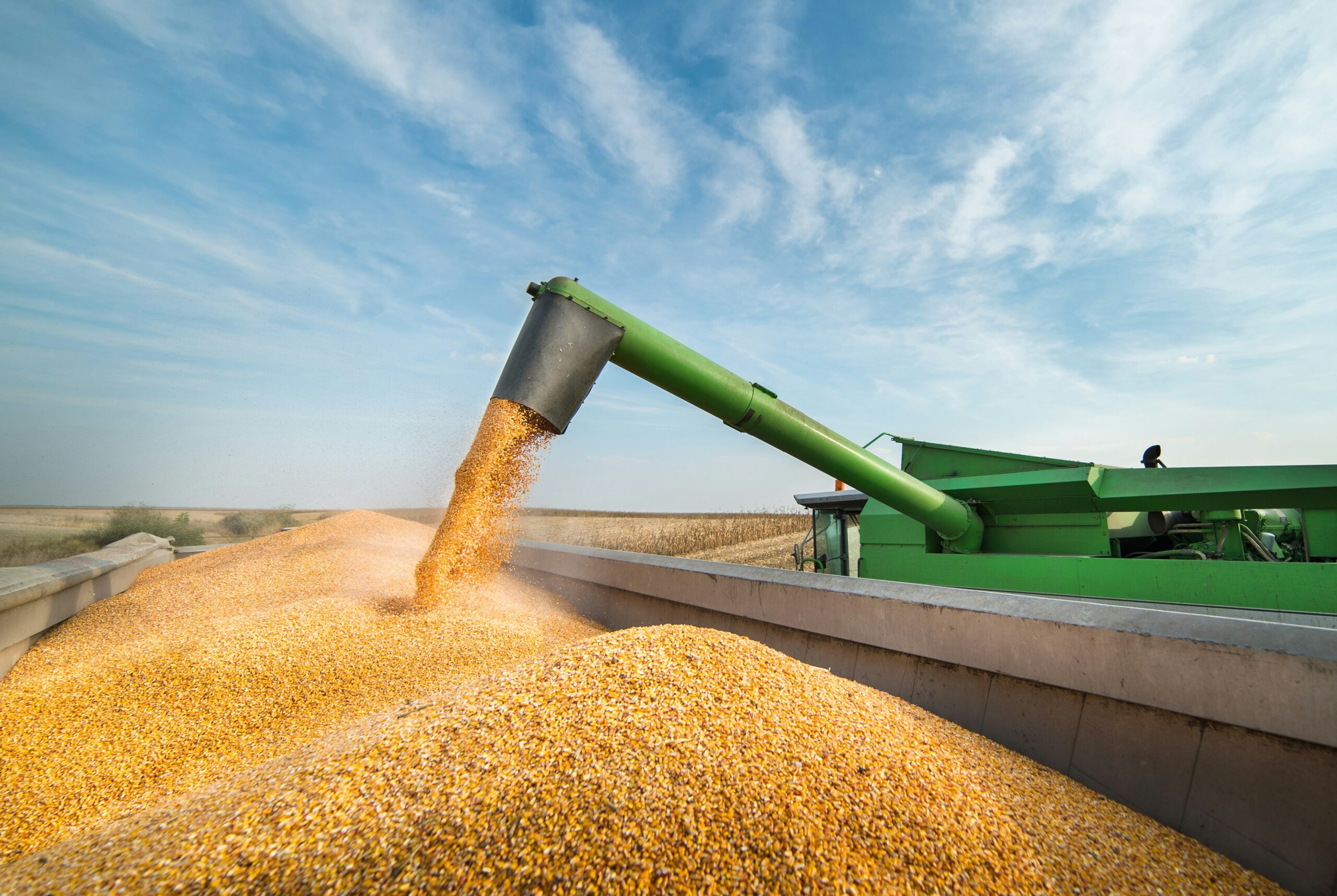
Grain production requires significant investments in land, labor, equipment, water, and other agricultural resources. However, harvesting a successful crop does not guarantee that farmers will receive its full economic value. Grain can deteriorate rapidly after harvest when producers fail to control moisture, temperature, pests, and storage conditions. Therefore, effective grain preservation methods play an essential role in protecting both food supplies and farm income. Modern preservation practices help producers maintain grain quality from harvest until processing, marketing, or consumption.
Post-harvest loss can occur at almost every stage between the field and the final buyer. For example, poor drying practices may encourage mold, while damaged storage facilities can allow insects or rodents to enter. Additionally, excessive heat can reduce grain quality during extended storage. Farmers can address these problems through careful handling and reliable preservation technology. As a result, a strong post-harvest management system reduces waste, protects market value, and supports a more efficient agricultural supply chain.
Managing Moisture Immediately After Harvest
Moisture management remains one of the most important parts of successful grain preservation. Freshly harvested grain often contains more moisture than is suitable for long-term storage. Consequently, excess moisture can encourage mold development, microbial activity, and grain heating. Farmers should measure moisture levels soon after harvest and determine whether drying is necessary. Accurate moisture monitoring allows producers to make faster decisions and prevents small quality problems from developing into significant losses.
Proper drying removes excess moisture while protecting the grain from unnecessary damage. However, producers must control drying temperatures because excessive heat can crack kernels or reduce quality. Modern grain dryers allow farmers to manage airflow and temperature more accurately. In addition, moisture sensors provide useful information during the drying process. Therefore, combining controlled drying with regular moisture testing creates stable conditions that support safer storage and reduce post-harvest grain loss.
Controlling Temperature During Grain Storage
Temperature directly affects the condition of stored grain because warmer environments can increase biological activity. Insects, molds, and microorganisms generally develop faster when storage temperatures remain high. Therefore, producers should monitor grain temperature throughout the storage period. Temperature sensors placed at different depths can identify unusual heating before visible damage appears. As a result, farmers can respond quickly when stored grain begins developing conditions that threaten its quality.
Aeration provides an effective way to regulate grain temperature inside storage structures. Fans move air through the grain mass and help create more uniform conditions. Additionally, proper aeration can reduce temperature differences that cause moisture migration and condensation. Farmers should operate aeration systems according to outside weather conditions and storage requirements. Consequently, careful temperature management helps maintain grain stability while extending its safe storage period.
Keeping Storage Facilities Clean and Secure
Clean storage facilities create a strong foundation for effective grain preservation. Old grain, dust, broken kernels, and other organic materials can provide food and shelter for insects. Therefore, farmers should thoroughly clean bins, silos, floors, conveyors, and handling equipment before loading a new harvest. Removing leftover material reduces contamination risks and makes pest management easier. Furthermore, regular sanitation supports better grain quality throughout the entire storage period.
Physical maintenance also protects stored grain from outside threats. Cracks, damaged doors, leaking roofs, and poorly sealed openings can allow water, insects, birds, and rodents to enter. Consequently, farmers should inspect storage structures before harvest and repair damaged areas promptly. Weatherproof facilities help maintain stable internal conditions during rain, heat, or seasonal temperature changes. Thus, clean and well-maintained storage systems reduce preventable losses while protecting the value of harvested grain.
Preventing Insect and Rodent Damage
Stored-grain insects can cause serious economic losses because they consume kernels and contaminate grain. Moreover, insect activity can increase temperatures within storage areas and encourage further deterioration. Farmers should regularly inspect stored grain for insects, webbing, damaged kernels, or unusual odors. Early detection allows producers to address infestations before they spread. Therefore, routine monitoring should remain an important part of every grain preservation program.
Rodents can also damage grain while creating serious sanitation concerns. They may consume stored products, damage storage materials, and contaminate grain with waste. Farmers can reduce these risks by sealing entry points and keeping surrounding areas clean. Additionally, vegetation and unnecessary materials should not accumulate around storage facilities because they can provide shelter. As a result, consistent pest prevention protects both the quantity and market quality of stored grain.
Using Modern Monitoring Technology
Digital technology has transformed grain storage by giving producers more accurate information about internal conditions. Modern monitoring systems can track moisture, temperature, airflow, and other important storage factors. Therefore, farmers no longer need to depend entirely on occasional manual inspections. Sensors can identify developing problems earlier and help operators make informed decisions. This technology becomes particularly valuable in large storage facilities where physical inspection can be difficult or time-consuming.
Automated systems can also improve the operation of fans and aeration equipment. For instance, controllers can respond to environmental conditions and activate equipment when necessary. Additionally, remote monitoring platforms allow farmers to review storage data through computers or mobile devices. These capabilities make grain management more responsive and efficient. Consequently, smart grain storage technology can reduce preventable losses while helping producers preserve consistent quality.
Handling Grain Carefully During Transportation
Grain preservation continues beyond the storage facility because poor handling can damage kernels during transportation. Cracked or broken grain becomes more vulnerable to insects, moisture, and microbial activity. Therefore, farmers and grain handlers should operate conveyors, augers, elevators, and loading equipment carefully. Reducing unnecessary impact helps preserve kernel integrity. Moreover, properly maintained equipment lowers the risk of contamination and mechanical damage during movement.
Transportation vehicles also require careful preparation before loading grain. Trucks, trailers, and containers should remain clean, dry, and protected from previous cargo residues. In addition, covers can help protect grain from rain and environmental contamination during transportation. Grain handlers should also avoid unnecessary delays when conditions could expose the product to heat or moisture. Thus, careful transportation practices extend preservation efforts beyond storage and help maintain grain value until delivery.
Improving Long-Term Grain Storage Management
Long-term storage requires continuous attention because grain conditions can change gradually over time. Farmers should inspect stored grain regularly instead of assuming that initial drying guarantees permanent safety. For example, seasonal weather changes can influence temperature differences inside storage structures. These differences may eventually cause moisture movement or condensation. Therefore, consistent monitoring allows producers to recognize changing conditions and take corrective action before significant deterioration occurs.
Recordkeeping can further strengthen long-term grain preservation. Producers can document moisture readings, temperature measurements, aeration periods, pest observations, and maintenance activities. Over time, these records reveal patterns and help farmers improve future storage decisions. Additionally, accurate information can support quality assurance and marketing activities. Consequently, organized storage management helps producers protect grain for longer periods while reducing unnecessary financial risk.
Protecting Grain Quality and Agricultural Value
Effective grain preservation protects much more than the physical harvest. High-quality grain generally provides farmers with better marketing opportunities and stronger negotiating positions. Conversely, damaged or contaminated grain may receive lower grades and reduced prices. Therefore, reducing post-harvest loss directly supports agricultural profitability. Farmers who control moisture, temperature, pests, sanitation, and handling can preserve more of the economic value created during the growing season.
Reliable preservation methods also contribute to food security and agricultural sustainability. When farmers prevent avoidable grain losses, more food reaches processors, markets, livestock operations, and consumers without requiring additional production resources. Furthermore, improved storage efficiency reduces waste across the agricultural supply chain. As preservation technology continues to advance, producers can combine proven management practices with digital monitoring and automation. Ultimately, effective grain preservation methods create safer storage, reduce post-harvest loss, and strengthen the long-term value of every successful harvest.